SUBSCRIBE


The New Digital Craft: How 3D Modeling Services Empower Women in Design
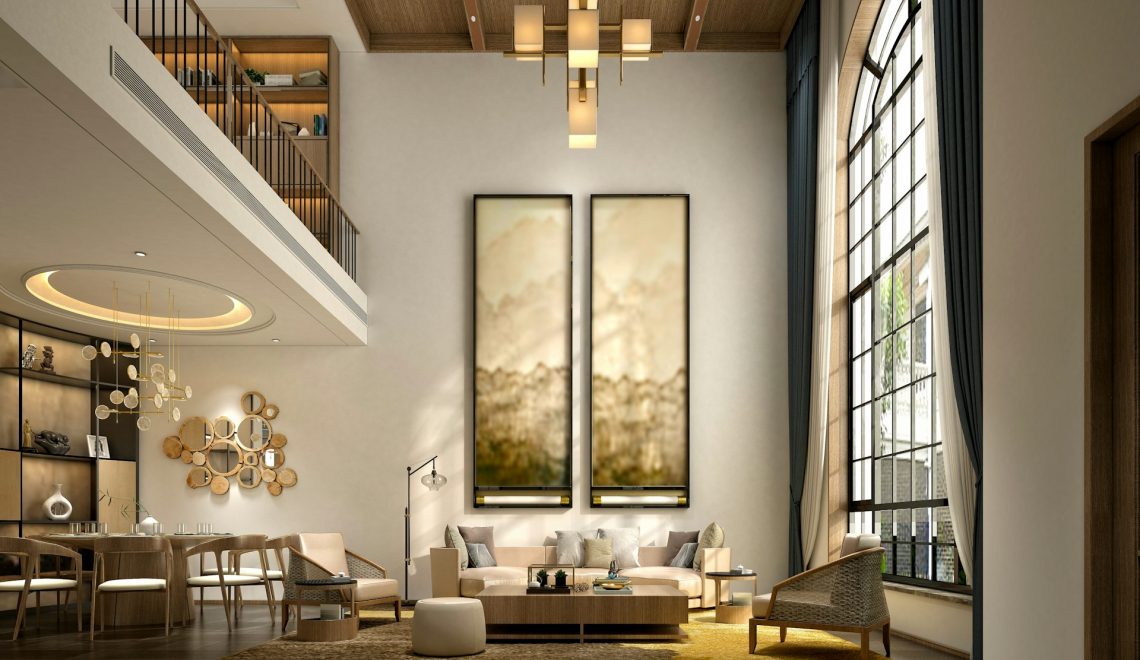
In luxury design, ideas used to travel a long road before taking shape. Sketches, samples, long conversations with manufacturers—everything took time. Lately, that path has become noticeably shorter. Many women in interiors, architecture, and product design have begun working with 3D modeling services, and the shift feels calm but meaningful. It’s not a dramatic revolution, just a tool that quietly removes obstacles and lets designers move the way they want to.
The appeal is simple: it becomes easier to explore. A concept can stay fluid longer. A material can be tested without buying anything. A bold shape doesn’t require a risky prototype. And for many women leading studios or working independently, that freedom changes the rhythm of their entire process.
A More Practical Way to Evolve Ideas
Women designers tend to handle several layers of work at once—client expectations, the creative vision, production realities. 3D modeling helps balance all of it. When a model shows proportion, texture, and form with accuracy, conversations move faster. Misunderstandings fade. A project gains momentum instead of stalling over technicalities.
It’s also a gentler way to work. Instead of rushing toward physical samples, designers can refine quietly, at their own pace. One file becomes a space to test, compare, delete, restart—the kind of freedom that traditional methods rarely allow.
Craftsmanship, Reimagined Digitally
What makes digital modeling especially valuable in the luxury world is the attention to detail. High-end design lives in the small things: the subtle grain of wood, the softness of a velvet edge, the way metal catches light.
Studios often collaborate with specialists such as 3D modeling services to capture these nuances. The results look less like digital drafts and more like finished objects, which is exactly what clients in the premium market expect to see.
For emerging female designers, this precision is empowering. They don’t need large budgets or established manufacturing partners to present work that feels complete. A digital model can communicate confidence long before a product exists physically.
Beyond Interiors: A Tool for Many Creative Worlds
3D modeling is no longer confined to architecture or large-scale interiors. It’s used in furniture design, lighting, décor, and even fashion accessories. A jewelry concept can be reshaped dozens of times without producing a single prototype. A sculptural lamp can be studied under different lighting conditions before choosing materials. A furniture collection can be tested for proportion and style in several settings.
For architects and interior designers, early models help visualize the atmosphere—how light moves, how volumes interact, how a space might feel once finished.
For luxury brands, these visuals often appear long before production, becoming part of lookbooks, moodboards, and campaign materials.
Owning the Creative Process
One of the most powerful effects of 3D modeling is how it returns ownership to the designer herself. A woman can build her signature style, refine presentations, and negotiate with clients from a position of clarity—not approximation.
It supports careers in a very practical way:
- Fewer costly mistakes
- Clearer storytelling
- Faster approval cycles
- More room for experimentation
- Stronger personal branding
In a field where timing and precision shape opportunities, having this level of control can quietly influence the entire direction of a designer’s business.
A Future Where More Voices Shape Luxury Design
The rise of digital craft is creating space for more individuality in the industry. Women who adopt these tools aren’t just keeping up with changes—they’re pushing them forward. Their approach often feels intuitive, thoughtful, and grounded in real design needs rather than technological enthusiasm.
Luxury design is moving toward a future where digital and traditional forms of craft coexist naturally. And women who work confidently with 3D tools today will have a strong hand in defining what that future looks like—creative, precise, and distinctly their own.
More to Love!
The Time-Saving Trick: How a Landscape 3D Rendering Cuts Down on Materials Waste and Expense
The Future of Interior Design: AI and 3D Rendering Innovations