SUBSCRIBE


Designing Smarter Homes: Integrating Natural Light, Thermal Control, and Solar Intelligence
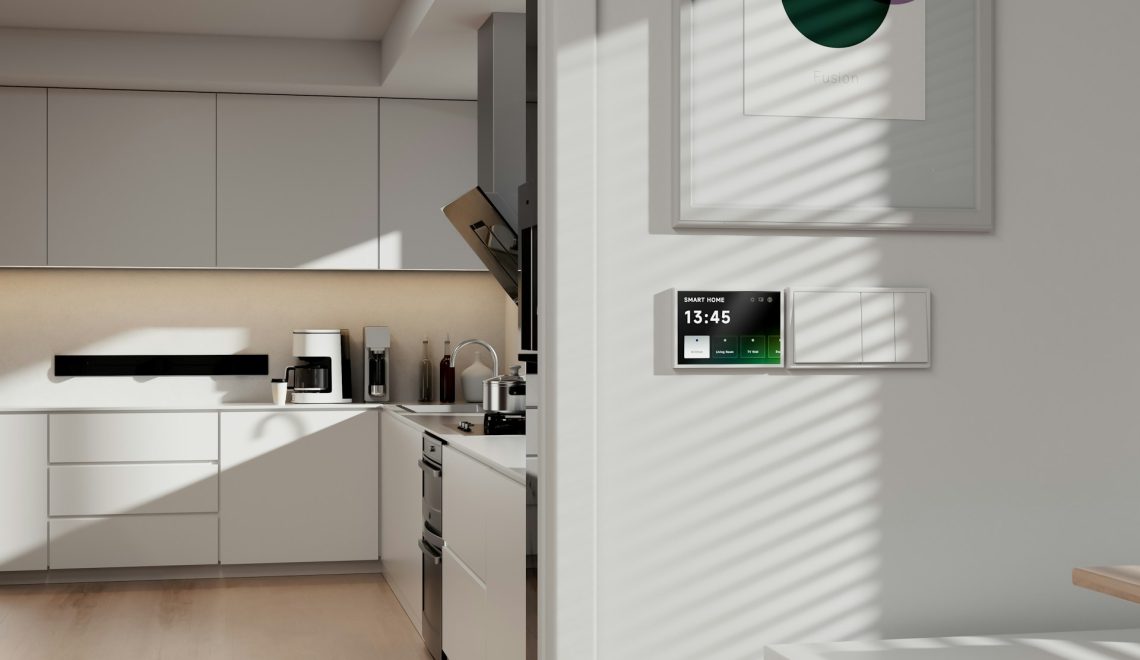
Modern architecture has evolved beyond visual appeal. Today’s smartest homes are designed to perform, balancing comfort, sustainability, and technology from the ground up. Architects and designers now focus on how daylight enters a space, how heat is retained or released, and how energy is generated and managed throughout the home. When these elements work together, the result is a residence that is not only beautiful but also efficient, resilient, and future-ready.
Designing smarter homes means thinking holistically. From basement windows that influence light and insulation to rooftop solar systems powered by intelligent technology, every design decision plays a role in long-term performance.
Natural Light as a Core Architectural Element
Natural light is one of the most powerful tools in architectural design. Beyond aesthetics, daylight affects how spaces are used, how large they feel, and how much artificial lighting is required throughout the day. Well-designed homes use light strategically to reduce energy consumption while improving occupant well-being.
Architects consider factors such as building orientation, window placement, ceiling height, and interior finishes to guide daylight deeper into living spaces. Sunlight can warm interiors during colder months and reduce reliance on electrical lighting, making it both a design and energy-efficiency asset. When planned correctly, natural light enhances visual comfort while supporting a home’s overall sustainability goals.
Reimagining Basements Through Strategic Window Design
Basements were once treated as purely functional spaces, often dark, cold, and disconnected from the rest of the home. Modern design has changed that perception. Today, basements are frequently used as living areas, offices, or guest suites, making light, comfort, and safety essential considerations.
Strategic basement window replacement plays a crucial role in transforming these lower levels. Updated windows allow more natural light to enter below-grade spaces, improving visibility and making rooms feel more open and inviting. From an energy standpoint, modern window systems offer improved insulation, reducing heat loss and preventing drafts that can affect the entire home.
Moisture control is another key benefit. Properly installed windows with advanced glazing and sealed frames help limit condensation and water intrusion, protecting both indoor air quality and structural integrity. Additionally, larger or code-compliant egress windows enhance safety while aligning basements with contemporary residential design standards.
Thermal Control and the Building Envelope
A home’s building envelope, the barrier between indoor and outdoor environments, determines how effectively it manages heat, air, and moisture. Windows are a critical part of this system, influencing both heat gain and heat loss throughout the year.
Energy-efficient glazing, insulated frames, and airtight installation techniques help regulate indoor temperatures and reduce strain on heating and cooling systems. When thermal performance is optimized, homes require less energy to maintain comfort, leading to lower utility costs and a smaller environmental footprint.
Architectural decisions related to thermal control are critical in climates with extreme seasonal changes. By improving window performance and insulation across the entire structure, designers create homes that respond intelligently to their environment rather than constantly fighting against it.
Solar Intelligence in Modern Home Design
Solar technology has become a defining feature of smart residential architecture. Rather than being treated as an afterthought, solar panels are now integrated into roof design, orientation, and material selection from the early planning stages.
A critical but often overlooked component of solar systems is the inverter, the technology responsible for converting solar energy into usable electricity. Understanding the types of inverters on solar panels helps designers and homeowners make informed decisions that impact both efficiency and system longevity.
String inverters offer a centralized and cost-effective solution, while microinverters provide panel-level optimization ideal for complex rooflines or shaded areas. Power optimizers combine elements of both, offering flexibility without full decentralization. The right inverter choice enhances energy monitoring, improves output, and ensures that the solar system complements the home’s architectural layout.
Connecting Daylight, Thermal Control, and Solar Technology
Smart home design succeeds when systems are aligned rather than isolated. High-performance windows reduce energy loss, which lowers heating and cooling demands. In turn, a well-designed solar system can more easily meet the home’s reduced energy needs.
This integration creates a feedback loop of efficiency. Natural light minimizes the need for artificial lighting, thermal control stabilizes indoor temperatures, and solar technology supplies clean energy to support daily living. When architects consider these elements together, they create homes that are comfortable, cost-effective, and environmentally responsible.
Holistic design also improves adaptability. Homes designed with integrated systems are easier to upgrade as technology evolves, ensuring long-term value and performance.
Designing Homes for Long-Term Performance
Future-ready homes prioritize durability and flexibility. Materials, systems, and layouts are chosen not just for current needs, but for how they will perform years down the line. Energy-efficient windows, resilient building envelopes, and intelligent solar systems reduce maintenance demands while increasing reliability.
For homeowners, this approach means fewer surprises, lower operating costs, and greater peace of mind. For designers, it represents a commitment to responsible, forward-thinking architecture.
Conclusion: Smarter Homes Start With Smarter Design
Designing smarter homes requires more than adding new technology; it demands thoughtful integration of light, thermal performance, and energy intelligence. From basement window strategies to solar inverter selection, every layer of the home contributes to efficiency and comfort. When architecture aligns these elements from foundation to rooftop, the result is a home that truly works smarter, not harder.
More to Love!
Smart Features to Add to a Home While Maintaining a Traditional Aesthetic
How Are Modern Homes Embracing Smart Technology?