SUBSCRIBE


How to Plan a Cross-Country Backpacking Trip
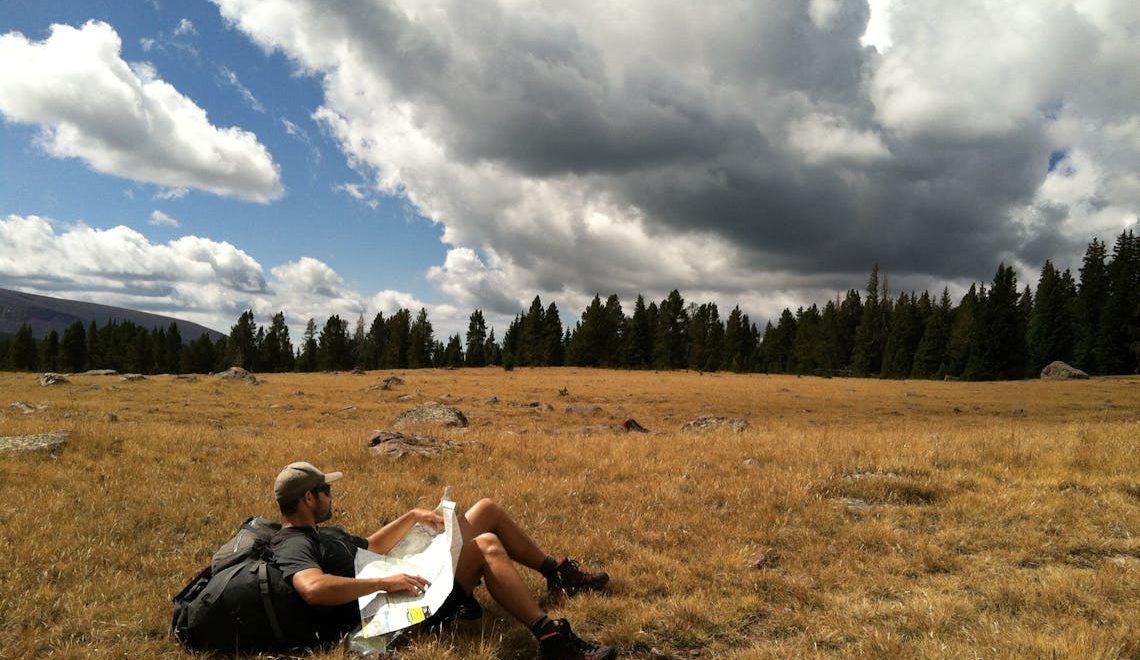
A cross-country backpacking trip sounds big. It feels exciting. It also feels overwhelming at first. You do not need every detail locked in. Start with a loose idea instead. Think about what you want to see. Mountains. Cities. Coastlines. Deserts. Food scenes. Quiet towns. Let curiosity lead.
As you sketch your route, you also think about staying connected. Many travelers explore eSIM United States plans early on to avoid signal issues later. That small step removes stress before the trip even starts. A flexible mindset keeps your energy high. A rigid plan often does the opposite.
Choose Your Route With Realistic Expectations
Cross-country trips look simple on a map. Reality feels different. Distances stretch longer than expected. Weather changes fast. Your body needs rest days. Plan fewer stops than you think you need. Leave space between destinations. That space becomes your safety net.
Use basic tools. Maps. Transit apps. Local blogs. Talk to other backpackers. Learn which routes feel scenic and which feel exhausting. A smart route saves time and energy. It also gives you room to adapt when plans shift.
Pack Light and Pack With Purpose
Your backpack becomes your home. Every item matters. Extra weight drains your strength fast. Pack only what you truly need. Clothes that dry quickly help a lot. Neutral colors mix well. One warm layer covers most climates.
Skip “just in case” items. You rarely need them. Toiletries stay minimal. Gear stays simple. If you cannot carry it comfortably for hours, leave it behind. A lighter pack gives you freedom. It also protects your mood during long travel days.
Budget for the Long Haul
Cross-country travel lasts longer than expected. Costs sneak up slowly. You budget for transport. You budget for food. You budget for small treats that keep you sane. Add a buffer for surprise expenses. Something always pops up.
Track spending early. A notes app works fine. Check numbers every few days. Adjust when needed. Cook simple meals when you can. Choose hostels with kitchens. Street food often saves money. A steady budget keeps stress low and choices clear.
Plan Your Connectivity Before You Go
Connection matters more than people admit. You use it for maps. Bookings. Safety. Work. Public Wi-Fi feels unreliable. It often fails when you need it most. Preparing your data before departure makes life easier.
A digital SIM activates fast. No store visits. No physical swaps. Your phone works the moment you land or cross state lines. That reliability saves time and nerves. When connection runs smoothly, everything else feels lighter.

Respect Your Energy and Pace
Backpacking across a country tests your limits. Long rides drain you. New places overload your senses. You need recovery time. Listen to your body. Take rest days without guilt. Sleep in when needed.
You do not need to see everything. Depth matters more than volume. One quiet afternoon can recharge you more than three rushed stops. Balance movement with stillness. That balance keeps burnout away and joy intact.
Stay Safe Without Losing Freedom
Safety does not mean fear. It means awareness. Share your route with someone you trust. Keep copies of documents. Stay aware of your surroundings. Trust your instincts.
Choose accommodations with good reviews. Avoid arriving late at unknown locations. Keep emergency contacts ready. These habits become automatic fast. They protect you without limiting your adventure. Freedom feels better when safety sits quietly in the background.

Embrace the Unexpected Moments
The best parts rarely sit on your schedule. You meet people by accident. You discover places by chance. Delays turn into stories. Missed connections lead to new routes. Let these moments happen.
Cross-country backpacking teaches patience and flexibility. It shifts your perspective. It shows you how little you actually need. When you stay open, the journey shapes itself in ways no plan ever could. That is where the real magic lives.
Wrapping Up
A cross-country backpacking trip changes you in quiet ways. You learn to move slower. You learn to adapt. You learn what truly matters when your world fits on your back. With a loose plan, a light pack, and reliable tools, the journey feels less stressful and more rewarding. You stop chasing checklists and start chasing moments. Some days feel tough. Others feel unforgettable.
That balance is part of the experience. Stay flexible. Trust yourself. Let the road teach you as you go. In the end, the memories will matter far more than the miles.
More to Love!
Best Destinations in the US for Culinary Road Trip Experiences
The 7 Most Beautiful Road Trips In The World