SUBSCRIBE


Using Trees and Pathways to Frame Home Entrances
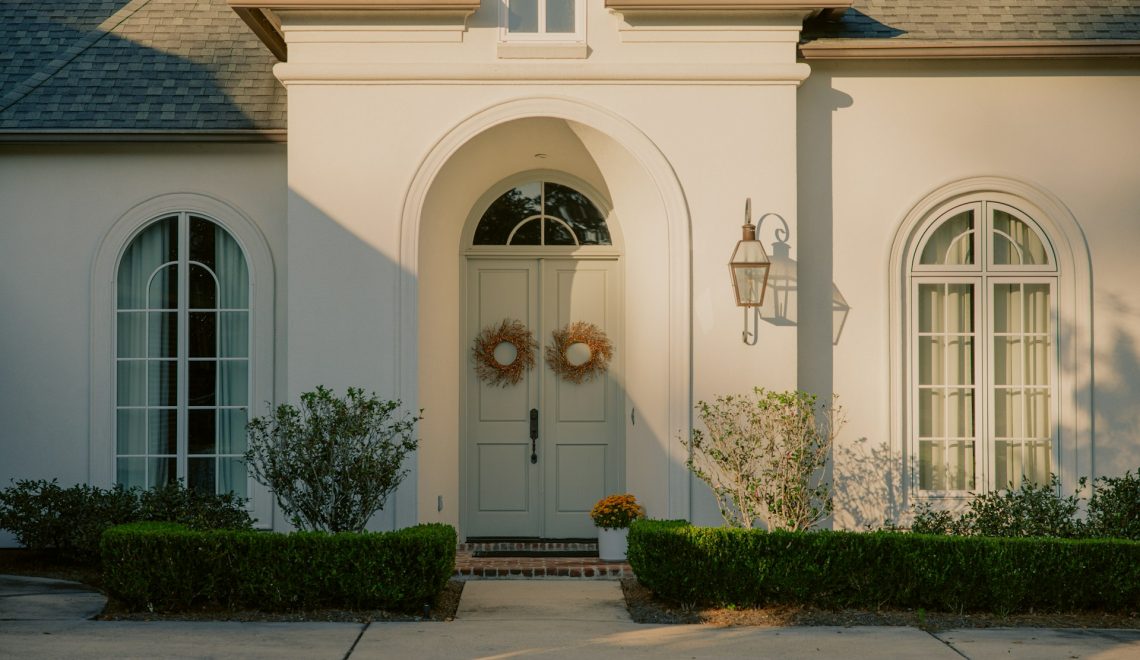
A home’s entrance sets the tone for everything that follows. Before a door is opened or an interior is experienced, the approach to the entrance shapes first impressions, establishes scale, and signals the character of the home.
Thoughtfully designed trees and pathways play a central role in this experience—guiding movement, creating visual structure, and enhancing the architectural presence of the building.
Rather than being purely decorative, trees and pathways act as functional design elements that frame the entrance, control sightlines, and create a sense of arrival that feels intentional and welcoming.
The Importance of Framing the Entrance
In landscape design, framing refers to how elements are arranged to draw attention toward a focal point. At a residential scale, the front door is that focal point. Without clear visual cues, entrances can feel understated, confusing, or disconnected from the surrounding landscape.
Trees and pathways help:
- Direct the eye toward the entrance
- Guide visitors naturally toward the door
- Establish hierarchy between the home and the landscape
- Create rhythm and balance along the approach
A well-framed entrance feels calm, confident, and legible—qualities that immediately elevate the home’s exterior.
Trees as Structural Elements in Entrance Design
Trees are often perceived as soft landscaping, but when used strategically, they act as vertical architectural elements that define space and proportion.
Creating Visual Anchors
Placing trees on either side of a pathway or entrance creates symmetry and focus. This framing technique visually anchors the door and reinforces its importance within the façade.
Single specimen trees can also be used asymmetrically to:
- Offset modern or minimalist architecture
- Balance large façades
- Soften sharp lines and hard materials
Scale and Proportion
Tree selection should always relate to the scale of the home. Tall or double-height façades benefit from trees with vertical presence, while smaller homes are better served by compact or slow-growing varieties that do not overpower the entrance.
Ignoring scale often leads to entrances that feel either exposed or overwhelmed.
Pathways as Movement and Experience
While trees provide vertical framing, pathways define the horizontal journey toward the entrance. The path is not just a functional route—it is an experiential element that controls pacing, direction, and anticipation.
Guiding the Approach
Straight pathways create formality and clarity, often suited to modern or symmetrical homes. Curved or gently offset pathways introduce softness and a more relaxed, residential feel.
The choice of alignment should reflect:
- Architectural style
- Front yard depth
- Desired sense of formality

Material Selection and Texture
Pathway materials contribute significantly to the entrance experience. Concrete, stone, pavers, or gravel each convey a different mood and level of refinement.
Key considerations include:
- Visual continuity with the home’s exterior materials
- Slip resistance and durability
- Texture that feels intentional rather than decorative
Consistent material transitions reinforce a cohesive approach to design.
Combining Trees and Pathways for Cohesive Framing
The strongest entrance designs emerge when trees and pathways are planned together rather than separately. Trees should visually align with the path, reinforcing direction and rhythm rather than competing for attention.
Effective combinations include:
- Trees placed rhythmically along the path to guide movement
- Flanking trees that frame the final approach to the door
- Path widths that respond to tree spacing and canopy spread
This coordination creates a sense of progression—moving from the street to the threshold with clarity and purpose.
Creating a Sense of Arrival
A successful entrance landscape does more than lead to the door—it creates a moment of arrival. Subtle changes in paving texture, tree placement, or pathway width can signal this transition.
Design techniques that enhance arrival include:
- Slight widening of the path near the entrance
- Framing trees positioned closer to the door
- Shifts in planting density to open the view
These cues subconsciously prepare visitors for entry, making the experience feel complete rather than abrupt.
Privacy, Comfort, and Microclimate
Trees near entrances also serve practical purposes beyond aesthetics. They provide shade, filter views, and help regulate temperature around the doorway.
Strategic tree placement can:
- Reduce heat gain on entry façades
- Create privacy from the street without walls or fences
- Improve comfort for waiting or transitional spaces
Balancing openness and enclosure is key—too much screening can hide the entrance, while too little can leave it feeling exposed.
Avoiding Common Design Mistakes
Poor entrance landscaping often results from lack of planning rather than lack of effort. Common mistakes include:
- Overplanting that obscures the doorway
- Trees placed too close to paths, restricting movement
- Pathways that feel disconnected from the entrance
- Mismatched materials that disrupt visual flow
Designing with long-term growth and maintenance in mind prevents these issues and ensures the entrance matures gracefully.
Designing for Longevity and Maintenance
Entrance landscapes experience constant use and should be designed to withstand it. Trees with manageable root systems and predictable growth habits reduce long-term disruption, while durable pathway materials ensure safety and consistency over time.
Low-maintenance design choices support:
- Clear sightlines
- Healthy plant growth
- Clean, uncluttered entry spaces
A well-maintained entrance reinforces the home’s overall quality and care.
Trees and Pathways as the First Interior Experience
The entrance is where exterior design meets interior intention. Trees and pathways act as a transition—bridging architecture, landscape, and lifestyle. When thoughtfully designed, they do more than frame a door; they frame the experience of coming home.
By treating trees and pathways as integral design elements rather than accessories, homeowners and designers can create entrances that feel structured, welcoming, and timeless—setting the right tone before a single step is taken indoors.
More to Love!
The Best Bushes to Frame Walkways, Facades, and Outdoor Living Spaces
Your Front Door – Entry to Your Sanctuary and Exit into the Real World