SUBSCRIBE


A Beginner’s Guide to Indoor Plant Care: Creating a Healthy Home Jungle in Any Light
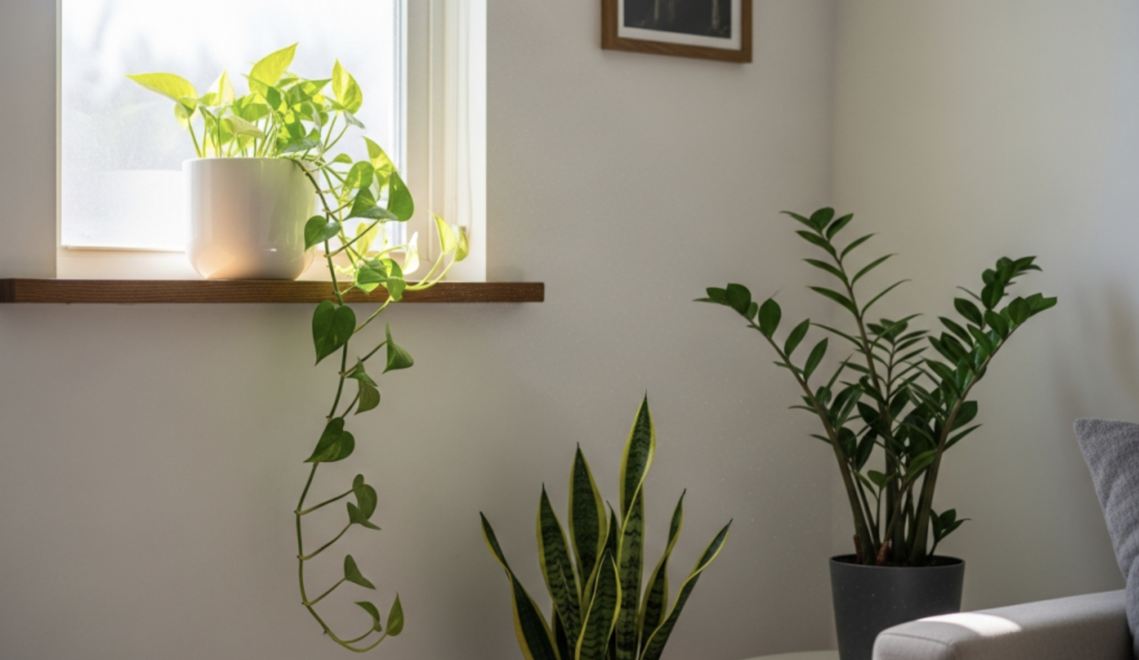
For most people, buying a houseplant is the straightforward part — keeping it alive is where things get tricky. Whether you’re working with a sun-drenched kitchen or a shadowy apartment corner, success usually comes down to understanding your environment before deciding what to grow. If your home doesn’t get much direct sunlight, starting with low light indoor plants is far more reliable than trying to coax sun-loving species through dim conditions. Getting that match right from the start saves a lot of frustration — and, more often than not, the plant itself.
Understanding Indoor Light: Match Plants to Your Space
Light is the single most important factor in houseplant health, yet it’s consistently underestimated. Most common problems — yellowing leaves, leggy stems, slow and steady decline — trace back to incorrect light long before watering habits come into the picture.
Thinking about light levels in practical, everyday terms makes a real difference:
- Low light: Enough natural brightness to read comfortably without switching on a lamp, but no direct sun ever reaches the leaves.
- Medium light: A well-lit room where indirect sun is present for several hours each day.
- Bright indirect light: Close to a window, but sunlight is softened by curtains or filtered by a bit of distance.
Window direction plays a bigger role than many people expect. North-facing rooms tend to stay noticeably dim, while south-facing spaces enjoy more consistent brightness throughout the day. East and west windows offer moderate, shifting light that changes with the hours.
Choosing Plants for Your Environment — Not the Other Way Around
Before buying anything, spend a day actually watching where natural light falls in your home. Notice which rooms feel dim by midday, where warmth collects near radiators, and which spots catch drafts from doors or windows.
A small home office with a single north-facing window calls for very different plant choices than a bright, humid bathroom. Plants with darker, thicker leaves — like many popular foliage varieties — tend to handle lower light far better than thin-leaved, flowering species. Humidity, temperature stability, and available space all shape which plants will genuinely thrive rather than just hang on.
Key Takeaway: Start by evaluating your space, then choose plants naturally suited to those conditions, rather than expecting a plant to adapt to the wrong environment.
Watering Indoor Plants: Avoiding Overwatering and Underwatering
Overwatering is one of the most common causes of houseplant decline, especially in lower-light environments where soil stays moist for much longer. Rather than sticking to a fixed calendar schedule, a couple of simple physical checks work far better:
- Press your finger into the top few centimetres of soil — water only when it feels dry.
- Lift the pot; if it feels noticeably lighter than usual, the soil has likely dried out.
Signs of overwatering include soft, yellowing leaves and a musty smell rising from the soil. Underwatering tends to show up as dry, crispy leaf edges and wilting. Consistently waterlogged soil leads to root rot, which is genuinely difficult to reverse once it takes hold.
Common Mistake: Using the same amount of water for every plant, regardless of pot size, soil type, or light conditions, is a reliable path to problems.

Soil, Pots, and Basic Nutrition
Most indoor plants do best in a well-draining potting mix rather than garden soil, which compacts quickly inside containers. Drainage holes are non-negotiable — without them, water pools at the root zone and trouble follows. If you prefer a decorative outer pot, use an inner nursery pot with holes and make a habit of emptying the saucer after watering.
Repotting is rarely necessary more than once every few years. The clearest signs that it’s time include roots circling the drainage hole or water running straight through the pot without being absorbed at all. When repotting, move up just one pot size and take the opportunity to refresh with new mix.
For feeding, a balanced, general-purpose fertilizer applied at a diluted strength during active growth is all most plants need. Overfertilizing can scorch roots and ultimately cause more harm than skipping it altogether.
Creating a Simple Care Routine You Can Stick To
Consistency matters far more than complexity. A brief weekly check covers most of what plants actually need:
- Make sure light isn’t being blocked by closed curtains or rearranged furniture.
- Check soil moisture before reaching for the watering can.
- Wipe dust from leaves occasionally to keep photosynthesis running efficiently.
When problems do appear, troubleshoot methodically rather than guessing. Yellow leaves usually point to watering or drainage issues; brown leaf tips often signal low humidity or inconsistent moisture; leggy, stretched growth is almost always a sign of insufficient light.
From Surviving to Thriving: A Balanced Approach to Indoor Plant Care
Indoor plant care is a skill built through observation, not perfection. Healthy indoor plants come from understanding your space first, then choosing and caring for plants that genuinely fit it. Start with one or two species, watch how they respond over several weeks, and adjust your approach before expanding your collection. A simple photo log can reveal gradual changes that are easy to overlook day to day. Anyone — regardless of home size or available light — can build a thriving indoor space by working with their environment rather than against it.
More to Love!
Fashionable and Functional: 3 Ways to Decorate Your Home with Plants
Private: a Small House Plants Guide: Benefits, Types, Plant Delivery Online & More