SUBSCRIBE


What Features Matter Most in a Lawn Mower?

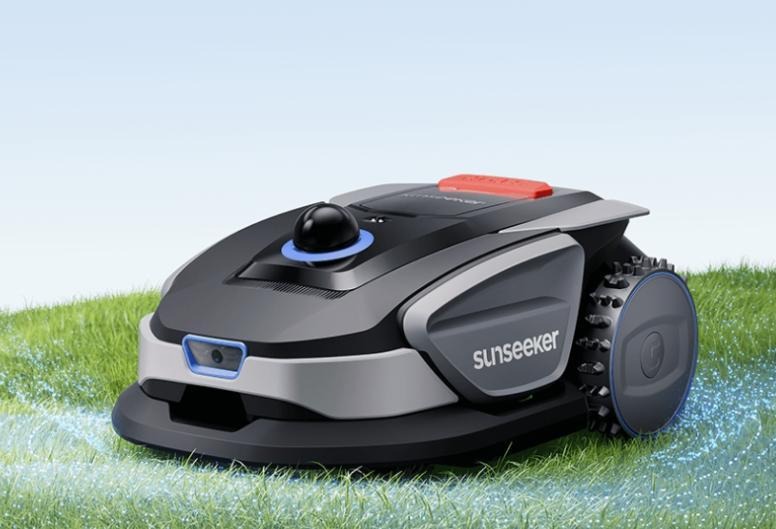
Choosing a lawn mower feels easier when you know which features truly matter. Shiny extras look tempting, but performance, comfort, and long-term value decide whether you enjoy mowing or dread it. Focus on how well the mower cuts, how much effort it takes to push or steer, and how often you must maintain or repair it. Smart technology helps too. For example, the Sunseeker S4 uses smart automatic charging: when the battery level drops below 30%, it automatically returns to the charging station, powers on, and resumes mowing. That type of feature saves time and keeps your lawn looking neat.
What Are the Most Important Lawn Mower Performance Features?
Cutting Width, Cutting Height, and Deck Design
Cutting width sets how much grass the mower trims with each pass. A wider deck, such as 21–22 inches, suits medium to large yards and reduces mowing time. Smaller decks around 14–18 inches fit tight spaces and narrow gates. Cutting height adjustment matters just as much. Look for easy, single-lever height controls so you can match grass type, season, and weather. A strong deck design improves airflow and cut quality. Stamped steel decks cost less, while fabricated steel decks offer better durability. A deep deck helps lift grass upright for a cleaner, more even cut and more effective mulching.
Engine Power, Motor Performance, and Grass Handling Capability
Engine or motor performance shows up the moment grass gets thick, tall, or damp. Gas mowers list power in cubic centimeters (cc), while electric models use volts and watts. More power means fewer stalls and cleaner cuts under load. Brushless electric motors run cooler and last longer than brushed versions. They also deliver steady torque, which helps with dense patches. Grass handling capability depends on how well the mower keeps blade speed under stress and how efficiently it moves clippings through the deck. Look for models rated for heavy or tall grass, with strong airflow and sharp, easily replaceable blades.
Mulching, Bagging, and Side Discharge Options
Grass clipping management affects lawn health, cleanup time, and storage needs. Mulching cuts clippings into fine pieces and returns them to the soil as natural fertilizer. If you want a healthy, green lawn with fewer chemical treatments, a mower with a dedicated mulching blade and plug helps. Bagging captures clippings for a clean finish and is useful for weeds or when the grass grows too long. A large, easy-to-empty bag saves trips to the compost bin. Side discharge works well for rough areas or very tall grass. A three-in-one mower that offers mulching, bagging, and side discharge gives the best flexibility.

Which Convenience, Durability, and Value Features Should You Look For?
Self-Propelled Systems, Maneuverability, and User Comfort
Self-propelled systems reduce effort, especially on slopes and larger yards. Front-wheel drive helps with tight turns, while rear-wheel drive improves traction on hills. Variable speed drives let you match the mower pace to your walking speed, which reduces fatigue. Maneuverability comes from a good wheelbase, ball-bearing wheels, and a balanced design that makes turning and backing up easier. For comfort, look for padded, adjustable handles and simple control layouts. Easy-to-reach levers and lightweight designs cut strain on your hands and arms. Smart features like push-button start and, on robotic models, automatic charging and navigation make mowing feel much less like work.
Battery Life, Fuel Efficiency, and Runtime Considerations
Runtime determines whether you can finish the yard in one session. For battery mowers, pay attention to amp-hours (Ah) and voltage, plus how many batteries come in the kit. A mower that supports quick-swap packs or fast charging reduces downtime. Smart systems like the Sunseeker S4’s smart automatic charging take convenience further. When the S4 battery drops below 30%, it automatically returns to the charging station, powers on, and resumes mowing without your help. For gas models, look for engines labeled as fuel-efficient or compliant with newer emissions standards. A larger fuel tank helps with bigger yards, but an efficient engine saves money over time.
Build Quality, Maintenance Requirements, and Long-Term Value
Build quality separates throwaway mowers from long-term tools. Thick steel or durable composite decks resist rust and impacts better than thin metal. Look for strong welds, sturdy height-adjustment levers, and solid wheel assemblies. Simple maintenance keeps performance high. Features like tool-free air filter access, easy oil changes, and wash-out ports on gas decks help. On electric mowers, sealed motors and weather-resistant electronics increase durability. Robotic models need reliable sensors and docking stations. Long-term value combines purchase price, running costs, and expected lifespan. A mower that uses standard, affordable blades and parts, and carries a solid warranty, often delivers better value than the cheapest option.
Conclusion
The best lawn mower balances strong cutting performance, easy operation, and durable construction. Focus on cutting width, height adjustment, and deck design to match your yard size and grass type. Then consider power, mulching, and bagging options, and how well the mower handles tough patches. Convenience features such as self-propelled drives, adjustable handles, and smart solutions like the Sunseeker S4’s automatic charging reduce effort and save time. Finally, weigh build quality, maintenance needs, warranty, and long-term costs. When you compare models with these features in mind, you invest in a mower that keeps your lawn healthy and looks great.
More to Love!
How Does Your Lawn Affect the Architectural Design of Your Home?
Design Tips to Elevate Your Luxurious Outdoor Living Space