SUBSCRIBE


Men’s Outfits for 2026: Elegant Color Pairing Makes the Classics Feel New
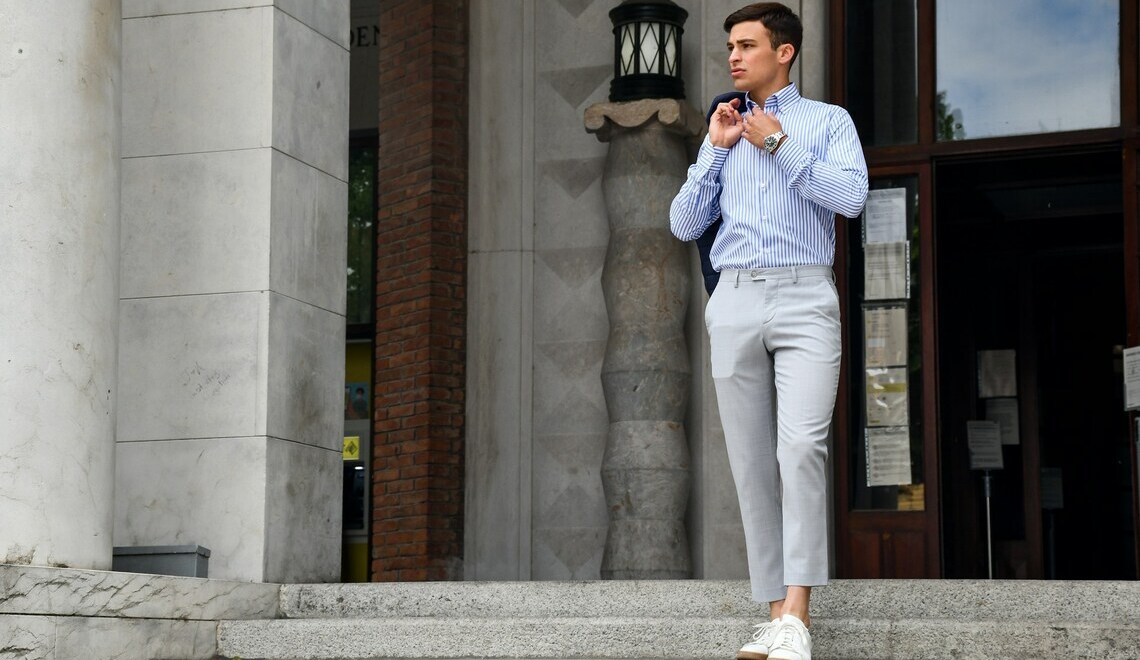
Men’s style in 2026 is moving in a clearer, quieter direction. Not dull. Not overly calculated either. The shift is really about how classic pieces are being styled now: a blazer that feels softer, trousers with a bit more drape, a crisp shirt balanced by richer texture, and color combinations that do far more than fill space. A familiar wardrobe suddenly looks sharper when tone is treated with care.
That becomes especially obvious with refined essentials like Italian knitwear men, which can sit under tailoring, replace a button-down on less formal days, or bring depth to an evening look without trying too hard. In 2026, the best outfits aren’t built around noise. They’re built around restraint, harmony, and pieces that work harder because the color story is better.
The 2026 Color Mood Is Richer, Softer, and Less Predictable
Black still has a place, obviously, but it no longer dominates the way it once did. Looking across recent menswear collections, the stronger direction is a broader, more nuanced range of tones: tobacco, camel, walnut, stone, cream, slate blue, olive, muted burgundy. They’re easier on the eye and, frankly, easier to wear together. Even brighter notes are being handled differently. Reports on the latest men’s collections point to icy blues and orange-red accents appearing in measured doses rather than head-to-toe statements.
That matters because most men aren’t dressing for a front row or a campaign shoot. They’re dressing for work, travel, dinners, weekends, and days that turn into evenings with no time to change. Softer neutrals make those transitions simpler. Navy with cream. Olive with stone. Tobacco with pale blue. These combinations feel modern, but they don’t look like someone tried too hard. Love Happens has already examined how strong pairings shape visual mood in its feature on black and gold, and the same principle applies in menswear too: the most convincing looks usually come from balance, not excess.
Classic Pieces Still Lead, They’re Just Styled with More Ease
The blazer remains central, but its role has loosened slightly. In 2026, softer construction makes a noticeable difference. Less padding, lighter fabric, easier movement. A blazer in muted olive or warm taupe changes the tone of an outfit immediately, especially when it’s paired with a shirt that isn’t stark white for the sake of tradition. Pale blue, washed ecru, fine stripes, soft sand—those shades feel fresher and less severe.
Trousers are following the same line. Mid-grey, deep navy, stone, tobacco, even a dusty brown. Better options, really. Black trousers with everything can flatten an outfit, particularly when there’s no texture to break it up. This is where knitwear becomes useful in a very practical way. A fine-gauge crewneck under a blazer gives a cleaner line than a shirt and tie in many settings, while a knitted polo can relax tailoring without making it sloppy. It’s a small adjustment, but a good one.
And there’s another reason knitwear matters now: fabric interest has become part of the conversation again. Not in an exaggerated way. Just enough to give classic dressing more dimension.

Color Should Match the Occasion, Not Fight It
For work, tonal combinations still do the heavy lifting. They look composed, they photograph well, and they tend to age better than trend-led contrasts. A slate-blue blazer with charcoal trousers and a pale blue shirt feels current without making a scene. For business lunches or daytime events, cream trousers with a tobacco knit and navy blazer hit that useful middle ground—smart, relaxed, and quietly expensive-looking.
Evening dressing benefits from deeper shades. Espresso, forest green, burgundy, midnight blue. Under softer lighting, those colors usually have more character than plain black and often look more refined as well. If one directional accent is introduced, that’s usually enough. A rust knit under a camel coat, for example, gives a nod to current color movement without tipping into costume.
For anyone tracking where these palettes come from, the Pantone Fashion Color Trend Report remains one of the more reliable references for how seasonal colors move from runway conversation into everyday wardrobes.
In 2026, the Best-Dressed Men Look Measured
The strongest men’s outfits for 2026 don’t abandon classic dressing. They refine it. A well-cut blazer still matters, proper trousers still matter, and a good shirt hasn’t become irrelevant overnight. What has changed is the styling intelligence around those pieces. Men are paying closer attention to tone, texture, and how colors behave together, using knitwear and softer shades to make old staples feel current again.
That’s the real shift. Not reinvention—better judgment. Cooler palettes still work beautifully in professional settings, warmer neutrals make social dressing feel more relaxed, and richer accent colors add personality when the moment allows it. When the balance is right, the result feels elegant without stiffness and modern without chasing every passing idea. In 2026, good style looks calmer, more assured, and much more believable.
Feature Image by Edoardo Cuoghi
More to Love!
How to Nail Effortless Style with Casual Men’s Shoes
10 Top Tips for Mastering Men’s Fashion