SUBSCRIBE


Why the Best Personal Style Extends Beyond Your Wardrobe
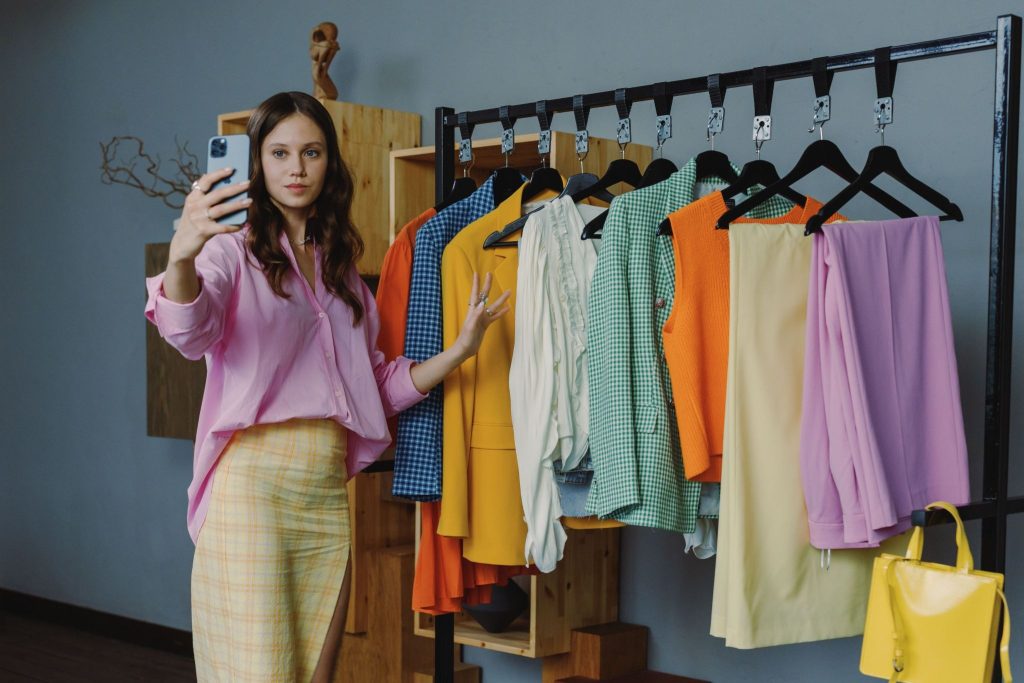
Personal style gets discussed almost exclusively in terms of clothing. The silhouettes someone gravitates toward, the color palette they return to across seasons, the relationship between fitted and relaxed, tailored and casual — these are the dimensions that fashion coverage, personal styling advice, and wardrobe-building guides focus on, almost without exception. The clothes are where the conversation lives.
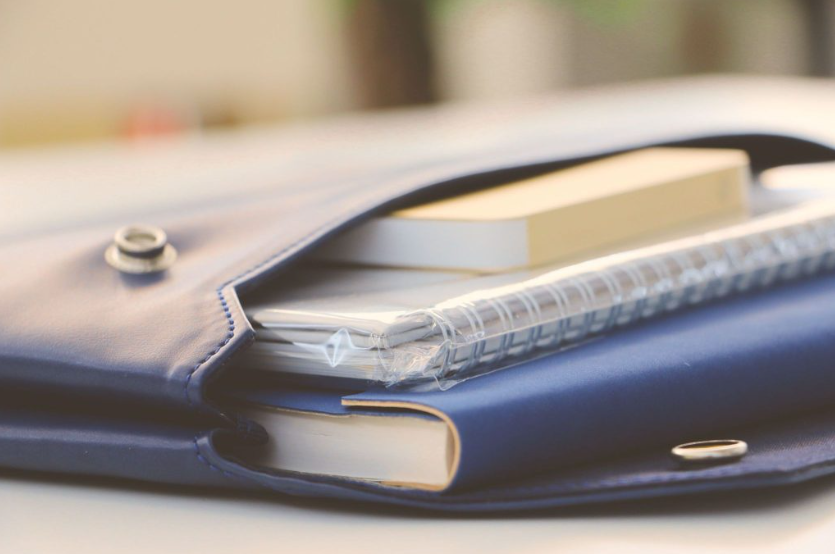
What that framing misses is how much of the visual picture a person projects gets assembled from objects that aren’t clothing at all. The bag carried daily. The watch on the wrist. The quality of the notebook sitting open during a meeting. The objects that occupy the desk, the bedside table, the spaces where a person spends significant time. These contribute to a picture of aesthetic identity that clothing alone doesn’t complete, and the most coherent personal styles tend to be the ones where that picture has been considered across all its elements rather than only the sartorial ones.
The Objects That Surround Daily Life
There’s a category of everyday objects that most people treat as purely functional — chosen for utility, replaced when they wear out, never quite thought of as expressions of aesthetic identity in the way clothing is. Wallets, phone accessories, notebooks, bags used for specific purposes rather than fashion purposes, the small objects that spend significant time in close proximity to the person carrying them.
These objects are visible in the same contexts that clothing is visible, often to the same people, over the same periods of time. A wallet pulled out at a restaurant, a bag set on a conference table, the objects on a desk during a video call — these are all contributing to the same picture of personal presentation that a carefully assembled outfit contributes to, whether or not they were chosen with that contribution in mind.
The coherent personal styles that read as genuinely considered rather than accidentally assembled tend to be the ones where this broader category of objects has been thought about with some of the same intention that clothing receives. Not obsessively — the goal isn’t matching everything to a rigid scheme — but with enough awareness that the objects in daily use belong to the same aesthetic world as the clothes worn alongside them.
Tech as an Aesthetic Frontier
The intersection of personal technology and personal style is one of the more interesting recent developments in how personal aesthetic expression works in practice. Devices themselves offer limited room for personalization — a phone’s color is chosen at purchase and fixed. What surrounds those devices is a different story.
iPhone cases have evolved into a genuine site of personal aesthetic expression for the same reason that other daily-use accessories have always been — they’re present in every context, visible constantly, and available in a range wide enough that choosing one functions like any other aesthetic decision. The range of materials, artist collaborations, and design directions available in this category now covers enough aesthetic territory that a case can cohere with a carefully considered personal style rather than sitting outside it as a purely protective afterthought.

The Space Where You Live and Work
Personal style that extends meaningfully beyond the wardrobe tends to include the spaces a person inhabits — not in a way that requires interior design investment, but in the sense that the objects present in daily spaces reflect the same sensibility that shows up in clothing choices.
A person whose wardrobe is built around natural materials, earthy tones, and organic forms tends to find that the same instincts, when applied to the objects in their living and working spaces, produce environments that feel coherent with how they dress rather than disconnected from it. That coherence is what makes a personal style feel fully inhabited rather than like an outfit being worn by someone who lives somewhere else entirely.
Gifting and How Others Read Aesthetic Coherence
One of the less discussed dimensions of extended personal style is how it shapes the way other people perceive and relate to someone’s aesthetic identity. A person whose aesthetic coherence extends across clothing, daily objects, and living space communicates their sensibility clearly enough that others can engage with it — through gifts that actually fit, through aesthetic references that land, through the kind of shared visual language that develops between people who’ve paid enough attention to each other’s aesthetic world to navigate it.
That coherence isn’t about rigidity or matching everything to a single scheme. It’s about a consistent underlying sensibility — a set of instincts about material, proportion, color, and form that shows up across different categories of objects and different contexts in recognizable ways.
Building the Broader Picture
The extension of personal style beyond the wardrobe doesn’t require starting over or making large investments across multiple categories simultaneously. It tends to happen incrementally — one category at a time, replacing purely functional choices with more considered ones, until the picture assembled across clothing, accessories, tech, and living spaces starts to cohere in ways that feel genuinely expressive rather than accidentally assembled.
That process is slower than building a wardrobe, and the results are less immediately visible. But the picture it produces — of a person whose aesthetic identity extends consistently across the full range of objects in their daily life — is considerably more complete than clothing alone can create.
More to Love!
Style In Retrospect: How to Enjoy a Relaxed, Y2K-Inspired Summer
The Ultimate Guide to Arranging Your Living Room for Style & Comfort