SUBSCRIBE


How to Choose the Right Shearling Coat for Your Style
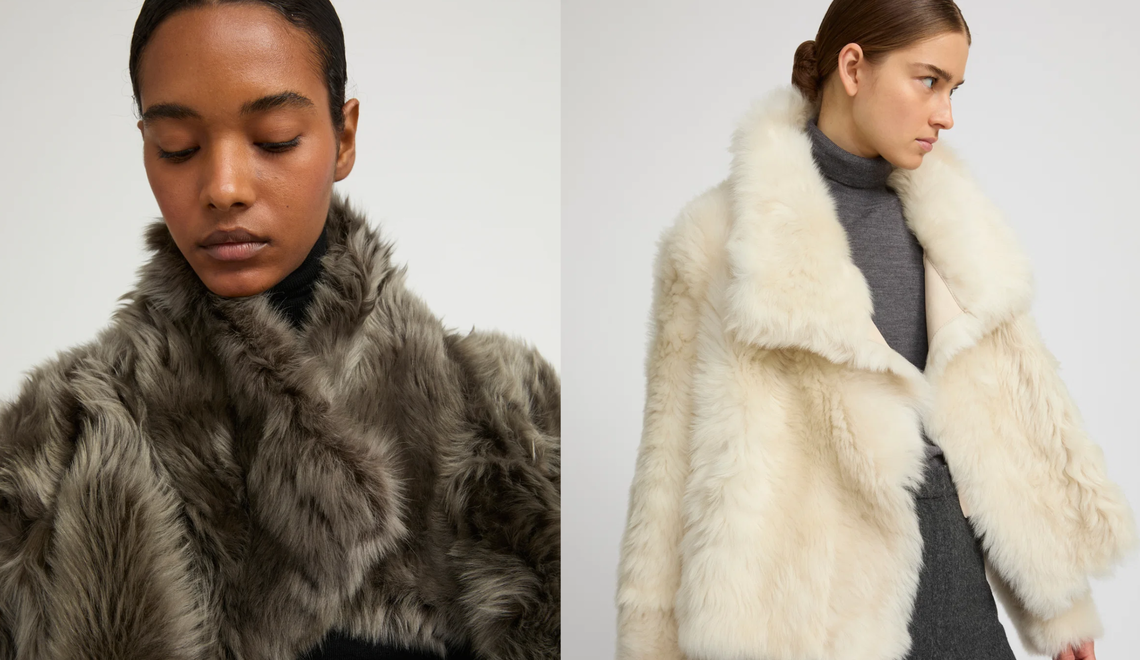
Shearling combines genuine warmth with a texture that feels both rugged and refined. Unlike most fur, it is often worn shell-side out, which changes how it should be judged. Why does this material need to be chosen and cared for so differently from other winter fabrics? Which cut, finish, and weight actually suit a given lifestyle? Wool quality, leather quality, and overall proportion all play a part in the decision. We walk you through every step.
What Makes Shearling Different From Other Winter Fabrics?
The answer lies in the material’s dual nature, and in how it is worn.
A Material With Two Sides
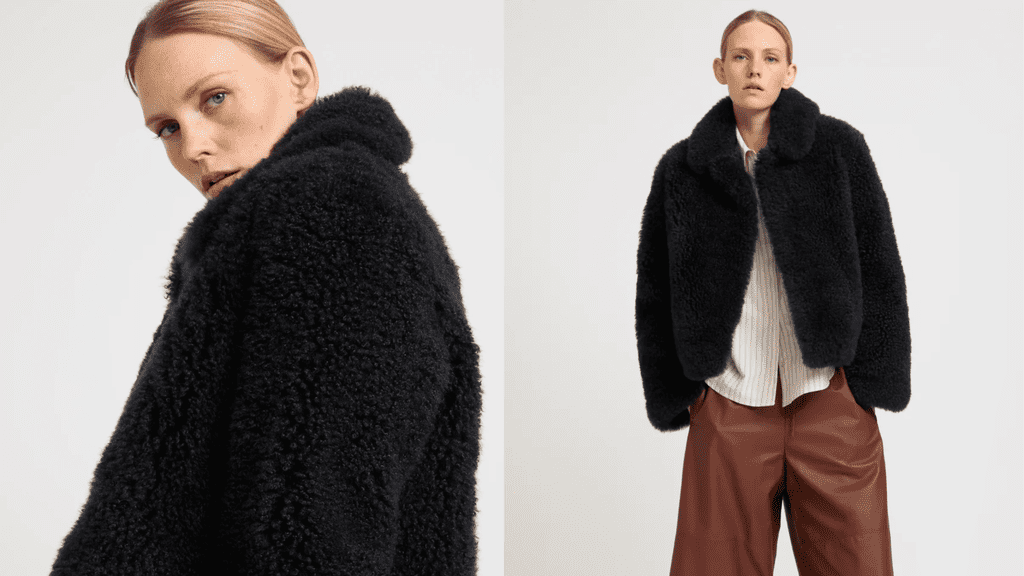
Soft interior and a supple, leather-like exterior. This dual nature is what makes shearling coats so versatile. They can be cut close to the body for a tailored look. They can also be left generously oversized for a more relaxed silhouette. Either way, the material keeps its warmth without adding unnecessary weight. Exploring a shearling coat collection quickly reveals how broad the category has become. It spans everything from cropped aviator-inspired jackets to floor-length coats. The best collections treat shearling less as a single style. They approach it more as a material with many expressions. Particular attention to how the wool is trimmed often separates a considered piece from a generic one.
Worn Shell-Side Out, Unlike Most Fur
While the wool stays tucked inside. This changes how the coat is chosen, cared for, and styled compared to a typical fur-lined piece. The visible leather gives shearling a slightly more rugged, structured look. It reads differently than something like a mink or fox coat. It also means the coat reads as outerwear first, rather than as a fur statement piece. This structural difference is part of why shearling pairs so easily with casual staples like denim. It rarely reads as strictly formal, even in its most polished versions. That easy versatility is a big part of what sets it apart from other winter fabrics.
Yves Salomon: A Standout Name for Shearling Coats

What Should You Check Before Buying a Shearling Coat?
A couple of details are worth checking closely before you buy.
Checking the Wool Quality
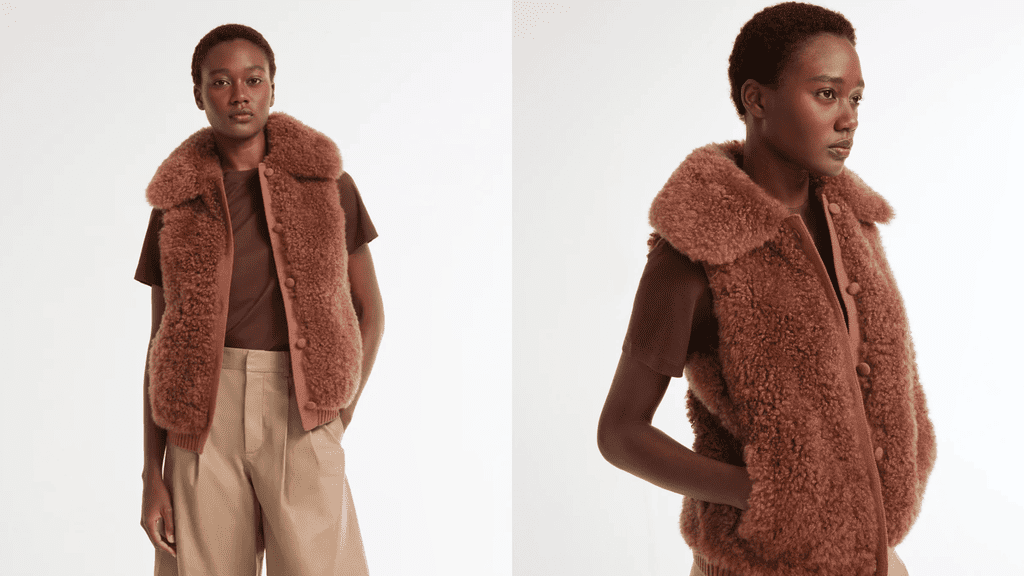
A poorly finished one tends to compress and thin out quickly. Running a hand through the wool is often the fastest way to judge this. Wool that feels matted or noticeably thin in patches is usually a sign of lower-quality tanning. Comparing a few coats side by side makes these differences far easier to notice. A little extra time spent checking texture before buying tends to pay off later. Checking near the seams and cuffs is especially useful, since wear shows there first. Even, consistent loft across the whole coat is generally the better sign.
Checking the Leather Quality
Finish suggests careful tanning rather than a rushed process. Any cracking or dryness along the leather is worth noting before purchase. Flexing the leather gently in a few spots reveals how well it will hold up over time. Leather that creases sharply and does not recover its shape is often a warning sign. Checking both sides before buying avoids surprises once the coat has been worn a few times. A quick check under good light makes these small flaws far easier to spot. That extra minute of attention is well worth it before committing to a purchase.
Which Cut and Weight Match Your Daily Life?
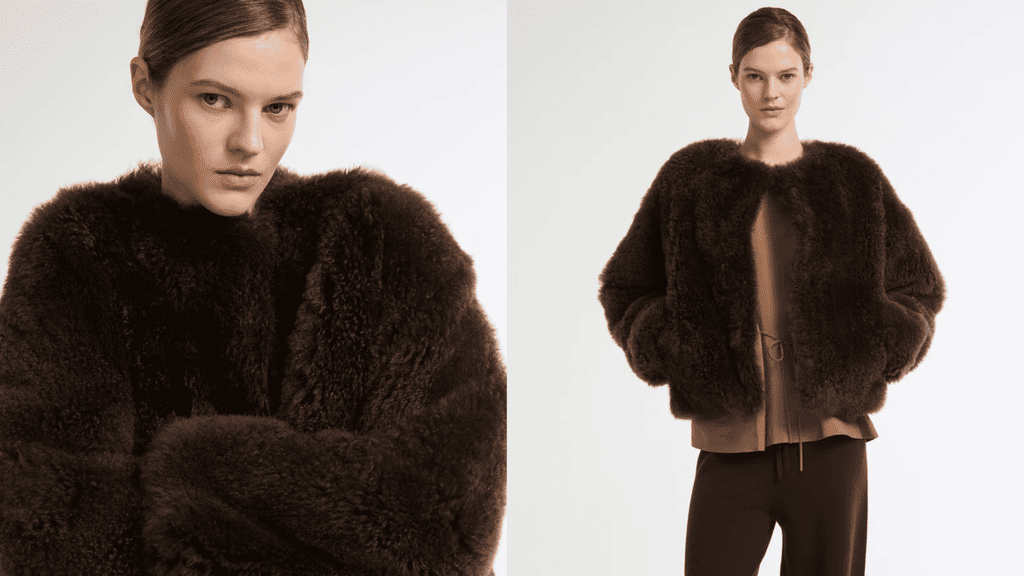
Shearling coats vary enormously in silhouette. The right one depends on how often it will actually be worn. A cropped, jacket-length shearling suits an active daily routine. It layers easily over sweaters without adding excessive bulk. A longer, coat-length shearling offers more coverage and reads as a deliberate style statement. Sleeve and shoulder fit deserve particular attention with shearling. The material has more structure than a typical wool coat. Weight matters just as much as cut. A fuller, untrimmed wool interior provides substantial warmth for genuinely cold climates. A shorn or lighter shearling offers a similar look with less bulk, better suited to milder winters.
Before deciding, a few practical points are worth weighing together:
- How often the coat will be worn during an average week
- Whether daily routines involve mostly outdoor time or frequent moves indoors
- How much coverage and drama the intended occasions call for
- Whether shoulder and sleeve movement matter for daily activities
Considering these points together tends to lead to a coat worn far more often. It earns its place in daily rotation, not just on special occasions.
When Does Shearling Move Between Casual and Elevated Settings?
One of the appeals of shearling is how naturally it moves between casual and elevated settings. A shearling jacket paired with denim and boots feels unmistakably relaxed. The same silhouette worn over a knit dress and heeled boots shifts into something far more polished. Longer shearling coats often work well as a layer over tailored separates. The contrast between structure and organic texture creates visual interest on its own. Because shearling already carries significant visual texture, simpler accessories tend to work best. A single leather bag or a pair of well-chosen boots usually complements the coat effectively. Piling on multiple bold accessories tends to compete with the coat instead. Scarves and gloves in complementary tones keep an outfit feeling considered rather than overly coordinated.
How Do You Keep a Shearling Coat in Good Condition?
Shearling requires slightly different care than other fur or leather pieces. Both the wool and the leather need attention. Storing the coat on a wide hanger in a cool, dry space helps prevent creasing. Avoiding prolonged exposure to damp conditions is particularly important. Moisture can affect the leather exterior more noticeably than it would a fur-lined coat. A light waterproofing spray, applied occasionally, offers useful extra protection. Professional cleaning by specialists familiar with shearling is strongly advised. The combination of leather and wool requires a different process than either material would need alone. With appropriate care, a well-made shearling coat can remain in excellent condition for many winters.
Wrapping Up
Choosing the right shearling coat comes down to matching cut, finish, and texture to your life. Checking the wool and the leather closely before buying helps avoid later disappointment. Paying close attention to the wool and the leather matters more than silhouette alone. Well cared for, a good shearling coat becomes more comfortable with every season it sees. Few winter fabrics age quite as gracefully, or reward proper care so visibly.
More to Love!
Why You Should Spend More on a Luxury Winter Coat
10 Winter Fashion Trends to Love