SUBSCRIBE


A Design Lover’s Guide to Peru: Textiles, Architecture, and Lima’s Table
Peru rewards travelers who look closely. The country that gave the world Machu Picchu also holds some of the finest weaving traditions on the planet, a capital whose restaurants shape menus on other continents, and cities built from carved stone in white, gold, and ochre. Anyone who cares about how things are made, whether a hand-dyed cloth or a colonial courtyard, will find more to study here than one trip can hold. Tour operators have caught on, and many Peru packages now schedule weaving demonstrations and gallery afternoons alongside the classic Andean route. This guide follows the craft through the places where it is easiest to see up close, from Lima’s dining rooms to the looms of the Sacred Valley.
Start in Lima, Where the Table Sets the Tone
Lima earns its reputation one plate at a time. The city holds two of the most awarded restaurants in the world, Central and Maido, where tasting menus read like research projects on Peruvian ecosystems and the Japanese-Peruvian cooking known as nikkei. Reservations open months ahead, yet the food culture runs far deeper than famous dining rooms, and a cevicheria at lunch, when the fish is at its freshest, can be every bit as memorable.
Between meals, the Barranco district offers a walkable mix of nineteenth-century mansions, murals, and small galleries, including MATE, the museum founded by Lima-born fashion photographer Mario Testino. Design-minded visitors should also set aside time for two collections. Museo Larco displays pre-Columbian gold and ceramics inside an eighteenth-century mansion draped in bougainvillea, complete with a storeroom gallery where thousands of pots sit on open shelves, while the smaller Amano Museum is devoted entirely to ancient Peruvian textiles, a fitting primer for what waits in the highlands.
The Weaving Villages of the Sacred Valley
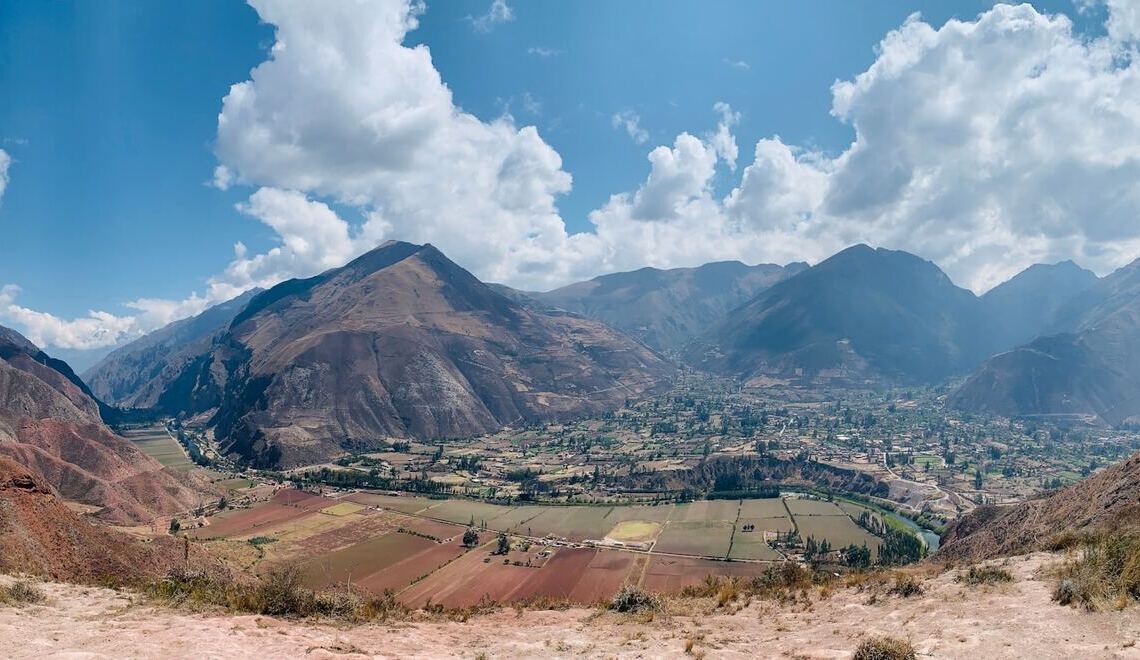
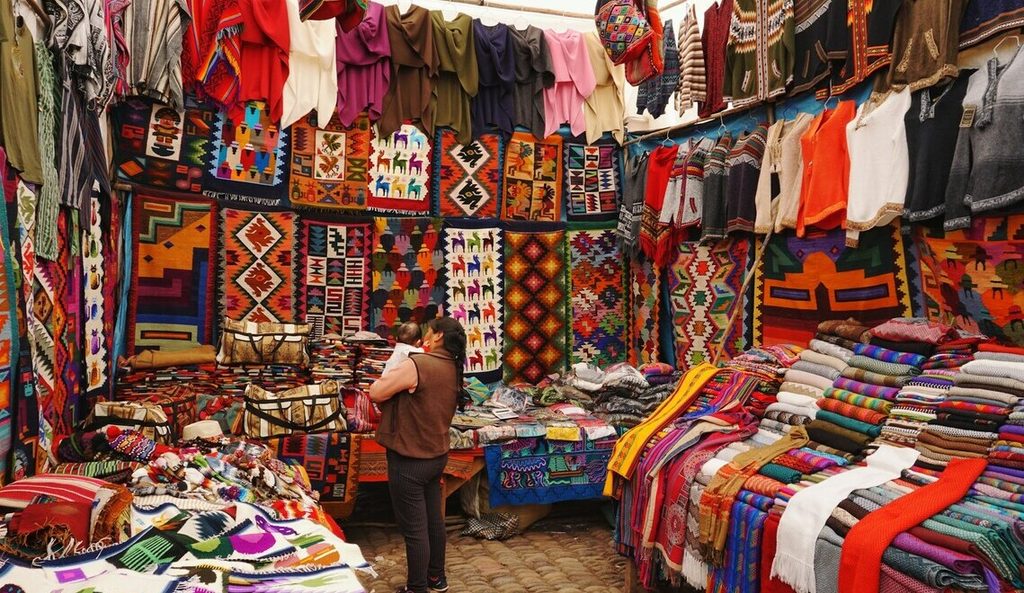
An hour beyond Cusco, the Urubamba River cuts a green corridor between Pisac and Ollantaytambo, and the villages along it keep one of the oldest textile traditions on earth alive. In Chinchero, weaving cooperatives run almost entirely by women demonstrate the full process, from washing alpaca fleece with a natural root soap to spinning it on a drop spindle and dyeing it with cochineal, an insect that produces a saturated red once worth its weight in silver.
Every pattern carries meaning, and girls learn the motifs of their own village from their mothers, just as earlier generations did. Watching a weaver work a backstrap loom, anchored to her own body, makes clear why a single fine piece can take months to finish. Markets in Pisac sell weavings at every level of quality, but buying inside a cooperative sends money directly to the maker and usually comes with the story of the woman who wove it.
Cusco Layers Inca Stone Beneath Baroque Gold
Cusco is a lesson in layered design. Walk the lane called Hatunrumiyoc and you pass a wall of Inca masonry fitted so precisely that its famous twelve-angled stone locks into its neighbors without a trace of mortar. When the Spanish arrived they built directly on top, and that collision still defines the city. At Qorikancha, once the empire’s sun temple with walls sheathed in gold, a Dominican church rises from Inca foundations that have shrugged off every earthquake since.
Inside the cathedral, paintings of the Cusco School blend European technique with Andean detail, including a Last Supper where roasted guinea pig sits at the center of the table. Uphill in San Blas, narrow streets hold family workshops producing ceramics, carved altarpieces, and religious figures much as they have for generations. Many colonial mansions around the center now operate as hotels, so it is entirely possible to sleep beside a stone courtyard older than the conquest itself.

Arequipa, a City Carved in White Volcanic Stone
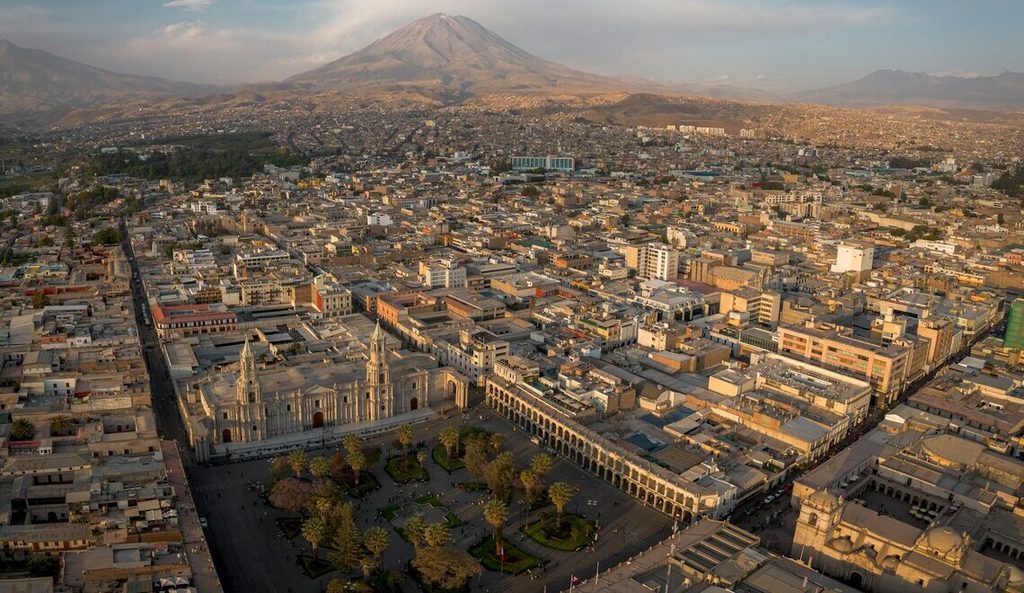
Arequipa glows. Its historic center, a UNESCO World Heritage Site, was built from sillar, a pale volcanic stone quarried from the slopes nearby, and in strong Andean light the whole city reads as white on blue with the cone of El Misti behind it. Facades here carry a style scholars call mestizo baroque, in which European forms fill up with local flowers, pumas, and faces cut by Indigenous masons who signed the stone with their own imagination.
The essential visit is the Monasterio de Santa Catalina, a walled convent the size of a small neighborhood, with internal streets washed in cobalt and deep terracotta that photographers plan entire days around. Alpaca is serious business here as well, and several mills open their doors so visitors can watch fleece being sorted by hand into grades no machine has managed to match. End the day in a picanteria, one of the traditional lunch houses where rocoto relleno, a stuffed hot pepper, arrives baked under melted cheese.
Choosing Pieces Worth the Suitcase Space
Shopping well in Peru means knowing what you are touching. Real baby alpaca, a grade based on the fineness of the fiber rather than the age of the animal, feels cool and dense in the hand, while acrylic imitations feel light and slightly squeaky. Vicuña sits at the top of the market as the rarest fiber in the world, shorn from wild animals only once every few years, and legitimate pieces always come with certification, so treat any bargain version with suspicion.
Beyond fiber, look for burnished black and cream ceramics from Chulucanas, silver filigree worked into impossibly fine lace, and retablos, the small carved altarpiece boxes from Ayacucho filled with miniature scenes. A fair question to ask any seller is who made the piece, and the good ones answer with a name. Prices that seem high usually reflect months of handwork, and a well-chosen weaving will outlast most furniture. Pack light on the way out, because the best things this country makes deserve the room.
Feature Image by Paul Daly
More to Love!
How Travel Can Inspire Your Personal Aesthetic
What to See at Milan Design Week 2026