SUBSCRIBE


Canada’s Top Winter Locations: What to Visit During Christmas Holidays 2026
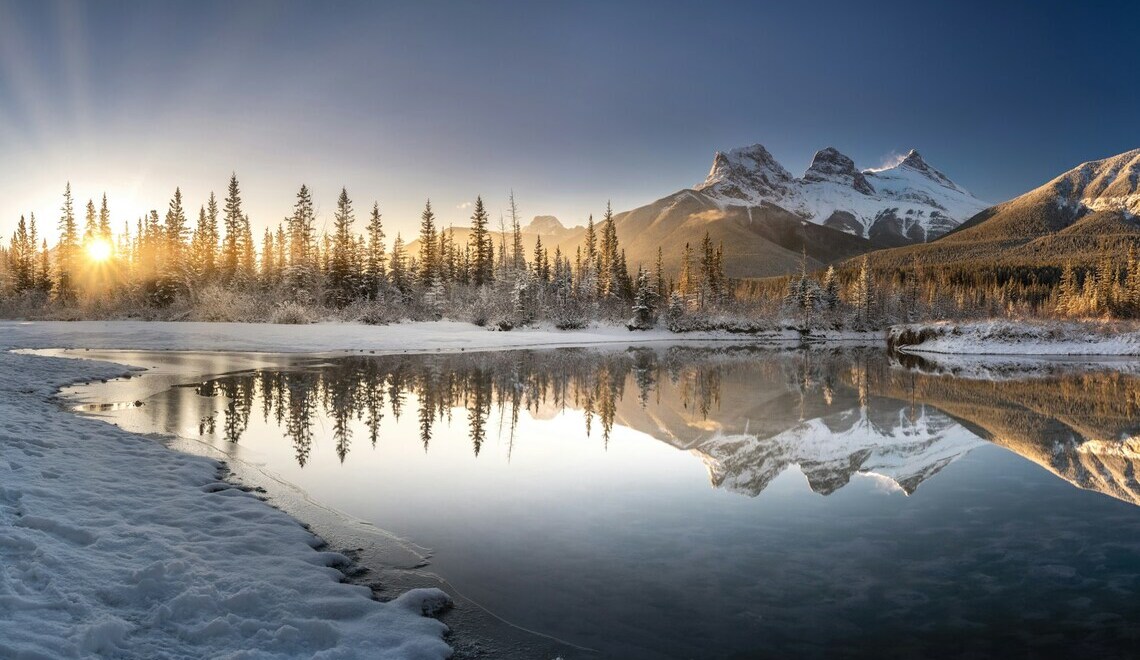
Snow that squeaks underfoot. Mulled wine steaming in the crisp mountain air. Canada embraces winter with a confidence few countries can match, turning the final weeks of the year into a spectacular festive showcase.
If you are planning your Canada Christmas holidays 2026, the challenge is not finding somewhere beautiful in the country; it is deciding which to choose. Also, before you book flights and pack your bags, make sure you meet the entry requirements. Getting professional legal advice on Canada Visitor Visa requirements can help prevent travel hiccups, leaving you free to focus on the fun ahead.
Why Canada Wins the Winter Travel Season
Two things make Canada stand out as a winter destination: the variety of experiences and the consistency of its winter conditions. Canada’s vast geography means you can choose between skiing in the Rockies, exploring a French-speaking old town in Quebec, or watching the northern lights in the Arctic.
At the same time, many destinations have reliably cold winters, so a December trip is less likely to be disrupted by rain or an unexpected thaw. Cities are also well equipped for winter, with heated walkways, public skating rinks, and ski hills within easy reach of major airports.
The Best Places to Visit in Canada in Winter
- Quebec City, Quebec
Few places in North America feel as much like a Christmas card as Quebec City. The German Christmas Market runs from November 19 to December 23, 2026, with more than 125 exhibitors across five illuminated sites inside the walled old town. Entry is free, and visitors can browse stalls serving bratwurst, gingerbread, and mulled wine beneath centuries-old stone facades.
Children can enjoy the puppet theatre, while Place d’Youville offers skating in the heart of the festivities. After dark, walk the Dufferin Terrace for one of the city’s most atmospheric views. The Château Frontenac rises above the frozen St. Lawrence, giving the scene the feel of a European winter postcard.
- Banff and Lake Louise, Alberta
Nestled deep within the Canadian Rockies, Banff and Lake Louise transform into a magical alpine wonderland during winter. Visitors can experience the quintessential winter fairytale by ice skating on the frozen, mirror-like surface of Lake Louise, right beneath a towering, snow-capped glacier.
Adventure awaits on the world-class slopes of the Lake Louise Ski Resort and Mt. Norquay, while those seeking a slower pace can enjoy horse-drawn sleigh rides along the lakeshore or soak in the steaming waters of the Banff Upper Hot Springs. The vibrant town of Banff rounds out the experience, offering cozy alpine lodges, excellent dining, and snow-dusted streets that look like a living holiday card.
- Niagara Falls, Ontario
Ninety minutes south of Toronto, Niagara Falls stages Canada’s largest free outdoor light festival: the Winter Festival of Lights, which runs from November 14, 2026 to January 10, 2027, with millions of bulbs strung through the tourism districts while ice builds on the rocks around the falls.
Drives are short, a 2-3 night stay in Niagara Falls is usually sufficient, and families can also easily visit nearby cities like Toronto or Buffalo. The biggest evening attraction costs nothing, and when the wind turns, world-class museums and an aquarium wait indoors in Toronto.
- Whistler, British Columbia
For a classic Canadian winter, head to Whistler. Whistler Blackcomb offers the largest ski terrain on the continent, with over 8,000 acres of bowls, glaciers, and runs for every level. It’s about a 2-hour drive north of Vancouver, and the mountain weather is often completely different from the city. That’s why Whistler works so well for a dedicated winter trip.
Beyond skiing and snowboarding, you get a pedestrian village with fire pits, horse-drawn sleighs, spa days, and après-ski that lasts into the evening. Families and groups can base here for 3-4 nights and not run out of things to do, even on a storm day.
- Yellowknife: Chasing the Northern Lights
For anyone who wants the trip to become a story, head north to Yellowknife. The city sits almost directly beneath the auroral oval, and the long, clear darkness from December through March makes it one of the most dependable places on earth to see the northern lights. On a good night, the sky turns green, pink, and violet and moves like a curtain overhead. Tours run every night and include heated teepees, hot drinks, and photography help. You can also add dog sledging, snowshoeing, and ice-fishing during the day.

Sorting Your Paperwork Before Your Trip
Before you pack your heaviest coat, ensure you can legally cross the border. Entry requirements typically depend on your nationality and how you plan to enter the country.
Canada eTA vs. Visitor Visa: The Difference
Canada uses two primary types of travel authorisation for tourists: the Electronic Travel Authorisation (eTA) and the Visitor Visa.
Travellers from visa-exempt countries arriving in Canada by air need an eTA. A Canada eTA for winter travel costs CAD $7, is usually approved by email within minutes, and stays valid for up to five years or until the passport expires. Visa-exempt nationals arriving by car, bus, train, or ship usually need only a valid passport.
Visa-required individuals must apply for a Canada visitor visa, officially a Temporary Resident Visa, which costs CAD $100 plus CAD $85 for biometrics and is placed in the passport before departure. Both the eTA and Visitor Visa allow a stay of up to six months.
Apply Early, Because December Is Peak Season
Application volumes climb steeply through the autumn, and biometrics appointments are the usual bottleneck. The published average for applications filed from outside Canada sat near thirty days in mid-2026, but the real figure swings widely between visa offices.
Give yourself two to three months before your trip to apply. If your history includes a refusal, a criminal record, or a complicated travel pattern, get proper legal advice from an immigration professional.
Start With the Calendar
The markets open in mid-November and the lights stay up into January, so the season is longer than most travellers assume. Choose your region first, book flights around a market or festival date, then start the immigration paperwork that same week. After that, the only real question is whether your coat is warm enough.
More to Love!
Escape the Winter Blues: Simple Ways to Lift Your Mood This Season
Winter Fashion Tips for Staying Warm and Stylish This Season