SUBSCRIBE


Your House Doesn’t Really End at the Back Door
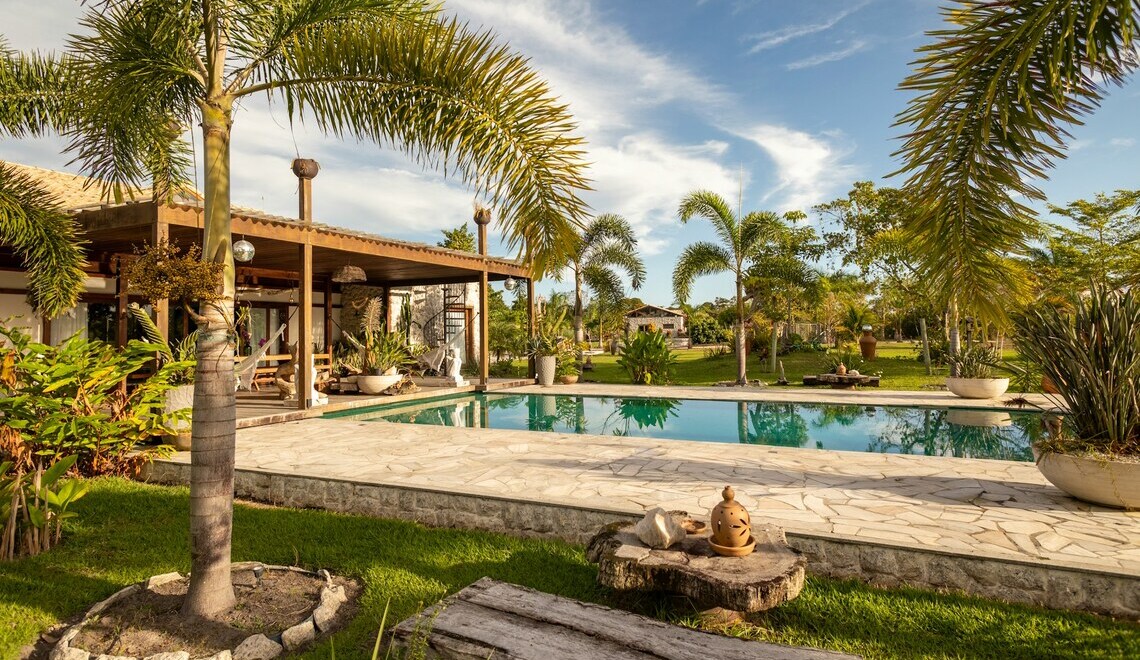
Most people think about their home’s usable space in terms of what sits inside the walls. The kitchen, living room, dining room, and bedrooms count. The patio just outside the back door often feels more like a transition zone between the house and yard.
But a deck or patio can function much more like another living area. It doesn’t need walls or a traditional ceiling to become a place where people eat, talk, read, entertain, or simply spend an hour doing nothing in particular.
The difference often comes down to comfort and intention. Furniture, lighting, layout, and privacy all matter, while professional awning companies such as Marygrove represent one option homeowners may consider when excessive sunlight limits outdoor comfort. When those practical details work together, stepping outside can feel less like leaving the house and more like entering another part of it.
Outdoor Rooms Need a Purpose Too
An empty patio has square footage, but that doesn’t necessarily make it useful. Indoor rooms work because their purpose is obvious. Walk into a dining room and the table tells everyone what happens there. A sofa and chairs arranged together immediately create a place for conversation.
Outdoor areas benefit from the same clarity. A table near the kitchen can establish a dining zone, while comfortable chairs positioned away from it create a separate place for talking or relaxing. Someone who enjoys reading might need little more than a quiet chair, side table, and good light.
Not every patio needs all of these things. In fact, trying to accommodate every possible activity can make a smaller space less functional. It is usually better to decide what people genuinely want to do outside and give those activities a proper place. Purpose turns unused square footage into somewhere people have a reason to visit.
Comfort Determines Whether the Door Stays Open
A patio can look terrific from inside and still give people very little reason to open the door. Comfort determines whether anyone stays long enough to enjoy all that careful design.
Shade is a major factor when direct sunlight reaches seating or dining areas during peak use. Temperature matters too, as does airflow. Chairs need to be comfortable enough for more than a few minutes, and people may prefer some privacy if neighboring homes have clear views into the space.
Then there is lighting. An outdoor area that works beautifully during the day can become nearly useless once the sun goes down if nobody can comfortably see dinner or the person sitting across from them. None of these details is particularly glamorous on its own. Together, however, they determine whether going outside feels effortless. People naturally gravitate toward comfortable spaces, regardless of which side of the back door they’re on.

Bring Some Indoor Thinking Outdoors
Designing an outdoor living area doesn’t mean dragging the living room furniture onto the patio. It means borrowing some of the principles that make indoor rooms feel organized and inviting.
Furniture placement is a good example. Chairs arranged around a central point encourage conversation, while a table needs enough room around it for people to move comfortably. Outdoor rugs can help define different zones, and lighting can create a warmer atmosphere while making pathways and activity areas easier to use after dark.
Materials need to handle outdoor conditions, but durability doesn’t require sacrificing personality. Plants, textiles, and furniture can visually connect the patio with nearby indoor spaces without trying to make both areas identical. Repeating a few shapes, textures, or design ideas can make the transition feel intentional. The goal isn’t to disguise the patio as an indoor room. It’s to give the outdoor space the same level of thought.
Make the Transition Feel Effortless
Sometimes an outdoor area goes unused because using it requires too much effort. If every meal means carrying plates through several rooms, navigating an awkward doorway, and making repeated trips back inside, eating outdoors can quickly lose its appeal.
Traffic flow matters more than it might seem. A dining area located near the kitchen is naturally easier to use. Clear walking paths keep chairs and furniture from becoming obstacles. Doors that open conveniently toward the main activity area can make the patio feel more connected to everyday household routines.
The same principle applies beyond meals. Frequently used outdoor items should be reasonably accessible rather than requiring a search through the garage every time someone wants to sit outside. Small inconveniences accumulate. Reducing them makes spontaneous outdoor use more likely. When getting from the kitchen or living room to a comfortable outdoor area takes almost no thought, the boundary between the two spaces begins to matter much less.
Wrapping Up
Adding usable living space doesn’t always require building another room. Sometimes the square footage is already sitting directly outside the back door, waiting to be treated as more than a place for a grill and a few forgotten chairs.
The most useful outdoor spaces usually combine purpose with comfort. They give people something to do, somewhere comfortable to do it, and an easy way to move between indoor and outdoor life. Thoughtful furniture placement, shade, privacy, lighting, and good traffic flow can all contribute.
None of that requires making a patio feel exactly like the inside of the house. The appeal comes from getting something different: fresh air, open surroundings, and a change of atmosphere without actually going anywhere. When an outdoor area supports everyday life as naturally as an indoor room does, the home’s functional footprint begins to feel larger even though its walls haven’t moved.
More to Love!
Designing With Backyard Sheds That Will Elevate Outdoor Living
How to Create a Lavish Oasis in Your Backyard