SUBSCRIBE


The Art of French Mediterranean Cuisine: Where Simplicity Meets Sophistication
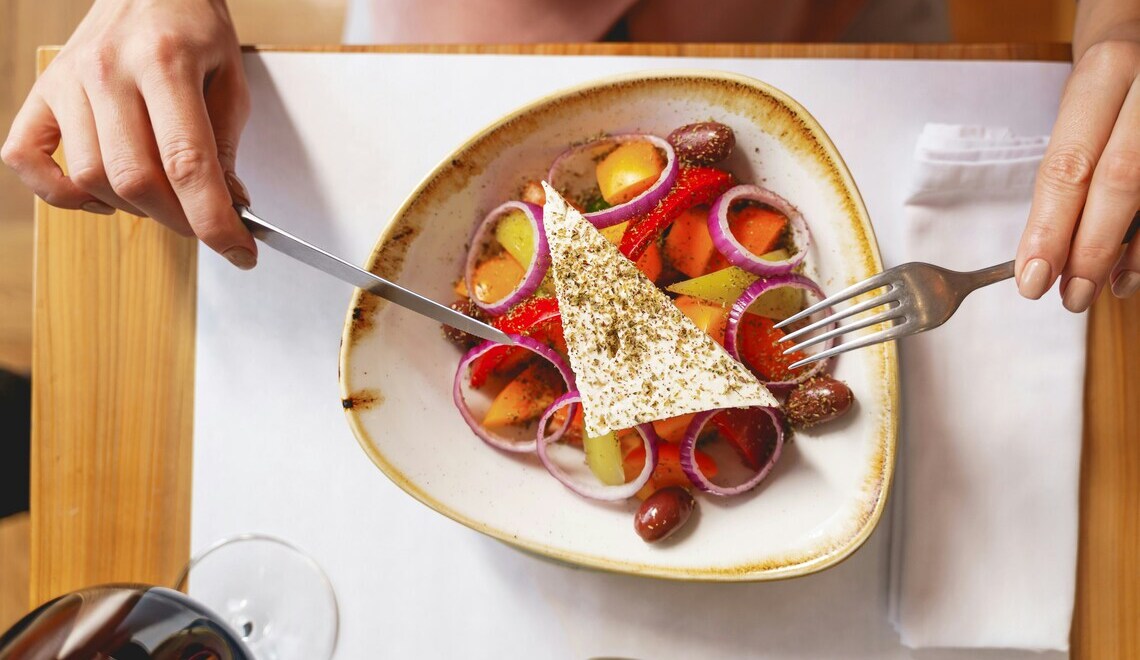
Mediterranean cooking is often described as one of the healthiest and most pleasurable ways to eat. But the term covers an enormous range of traditions, from the rustic stews of Tuscany to the seafood of the Aegean, and the spiced dishes of North Africa. French Mediterranean cuisine occupies its own distinctive niche. It brings the classical techniques and culinary rigor of French cooking to the sun-drenched ingredients of Provence, the Côte d’Azur, and the Languedoc coast.
The Provençal Foundation
Provençal cuisine is the heart of French Mediterranean cooking. It uses olive oil rather than butter, herbes de Provence — a blend of thyme, rosemary, oregano, and lavender — and the extraordinary produce of the region such as tomatoes, courgettes, aubergines, peppers, and artichokes. The French poet Frédéric Mistral once called the aïoli, an emulsion of Provençal garlic and olive oil, ‘divine.’ Ratatouille in its authentic form is perhaps the defining Provençal dish. It’s labor-intensive, ingredient-led, and deeply satisfying.
The Brasserie Tradition
The French brasserie, the equivalent of a classic upscale tavern in the U.S., is the perfect setting for hearty Mediterranean cuisine. It combines relaxed service, home-style menus, and high-quality cooking, making this format beloved worldwide. Restaurants like LPM (La Petite Maison) have brought the spirit of the French Mediterranean brasserie to cities across the world, from London and Dubai to Abu Dhabi and Miami. LPM’s chefs serve Niçois-inspired menus that remain true to regional ingredients and technique while offering the polished hospitality experience modern diners expect.
Seafood at the Center
The Mediterranean coast has always shaped what people have on their dinner tables. Bouillabaisse, the legendary Marseille fish stew, began as a fishermen’s dish but evolved into one of the country’s most celebrated dishes. It’s made with at least three types of fish, along with shellfish, saffron, fennel, and tomato, and is served with rouille (a garlic and saffron aioli) spread on toasted bread. It embodies the French Mediterranean culinary philosophy: exceptional-quality ingredients, classic technique, and a meal built around the pleasure of sharing.

Salads and Small Plates
The salade Niçoise of Nice is considered an art on a plate by many people. Served as a main-course meal instead of an appetizer, the city’s signature dish features raw vegetables, olives, anchovies, hard-boiled eggs, and tuna, arranged beautifully on a platter. It doesn’t have the usual leafy lettuce base or tossed greens. The heavy dressing is also replaced with a drizzle of pure olive oil. Niçois purists insist that no cooked vegetables belong in a true salade Niçoise. Each ingredient is added deliberately so that each forkful is a considered combination. This attention to presentation and arrangement is characteristic of French Mediterranean cooking, where simplicity is executed with precision.
Wine: The Essential Food Companion
Whether it’s at home or in a social setting, French Mediterranean cuisine is best enjoyed with a glass of good wine, the essential meal companion that enhances the flavors of the food. Provence is well known for its rosé, which has a dry, refreshing character that makes it a natural match for seafood, salads, and grilled vegetables. The wines of Bandol, particularly its structured Mourvèdre-based reds, are muscular enough for roasted meats and stews. Picpoul de Pinet from the Languedoc is a crisp, citrus-edged white that pairs brilliantly with oysters and fish.
The Philosophy of the Table
What ultimately distinguishes French Mediterranean cooking is its food philosophy. It’s profoundly convivial, designed for sharing and turning meals into the best moments. Large platters of shared dishes, bread at every table, long lunches that drift into the afternoon: these are not vestiges of a slower era but a deliberate assertion that eating together is one of life’s great pleasures. That spirit travels well — it is as at home in a Dubai dining room as in a bistro on the harbor at Nice.
More to Love!
6 of the World’s Most Beautiful Restaurant Interiors
Top 5 Luxury Experiences for a French Canal Holiday