SUBSCRIBE


How Sacramento’s ADU Rules Changed in 2026: What Homeowners Need to Know
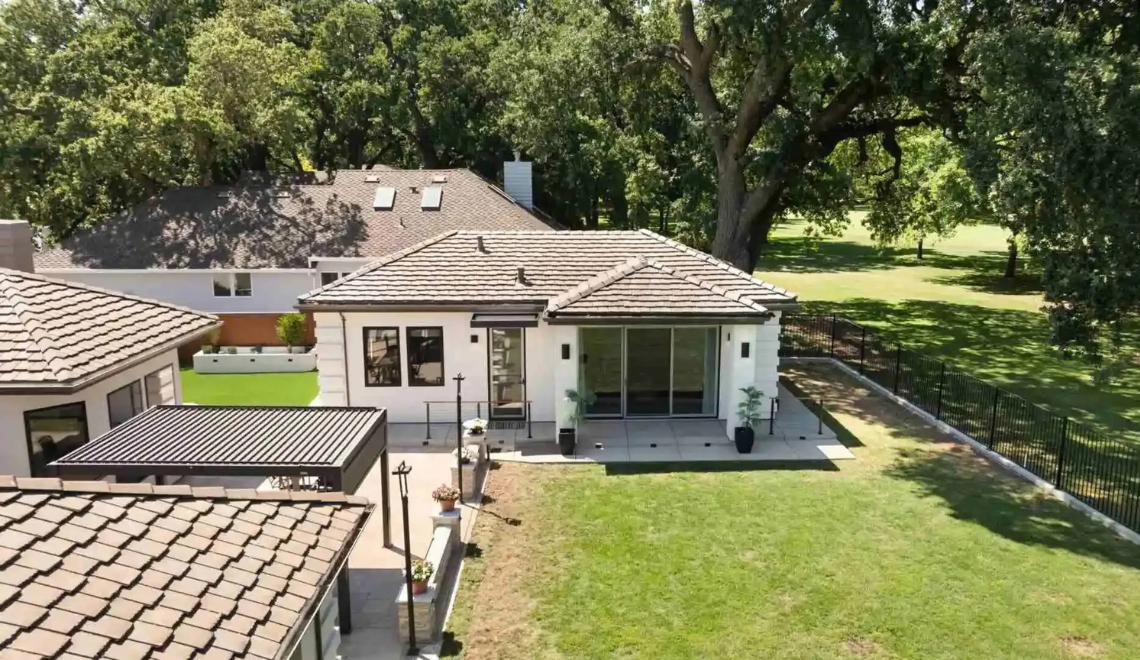
Thinking about a backyard cottage, a garage conversion, or a small rental unit? 2026 is a good year to move from “someday” to an actual plan. California did not rewrite its rules from scratch. Instead, it fixed the parts that used to slow homeowners down: vague deadlines, surprise fees, and local rules that quietly contradicted state law.
The good news is simpler than most headlines suggest. The ADU laws in California 2026 mostly change how your application is handled, not what you can build. Below, we break down what is new, what stayed the same, and how Sacramento ADU regulations apply to your lot today so that you can plan with confidence instead of guesswork.
The New ADU Laws: California 2026 Updates in Plain Terms
Four bills signed in 2025 make up this year’s update: SB 543, AB 1154, SB 9 (2025), and AB 462. Most of them took effect on January 1, 2026. Here is what each one means for you.
- Faster answers (SB 543). The city now has 15 days to tell you whether your application is complete. If it misses that window, your application is automatically treated as complete.
- No moving goalposts (SB 543). If something is missing, the city must list every item at once. When you resubmit, reviewers can only check those items, not invent new ones. You can also appeal an “incomplete” decision.
- Honest square footage (SB 543). Size limits now refer to interior livable space. Exterior walls and stairs no longer eat into your allowance.
- Cheaper small units (SB 543). ADUs and junior ADUs with less than 500 square feet of living space are exempt from school impact fees.
- More freedom with JADUs (AB 1154). A junior ADU is a unit of up to 500 square feet inside your house or attached garage. If it has its own bathroom, the city can no longer require you to live on the property.
- Stronger state oversight (SB 9, 2025). A local ADU ordinance that is not sent to the state for review, or that ignores the state’s findings, becomes void.
One thing did not loosen: ADU and JADU rentals must still be longer than 30 days. Short-term vacation rentals remain off the table.
California’s 2026 ADU laws also build on changes from January 2025 that still apply. Those earlier laws created a path to legalize older unpermitted units and allowed up to eight detached ADUs on lots with existing apartment buildings. The city’s official Sacramento ADU resource center already reflects these numbers, and it is the best place to double-check the fine print for your address. In short, California’s 2026 ADU laws reward homeowners who come prepared.
Sacramento ADU Requirements That Did Not Change
If you researched ADUs a year or two ago, most of what you learned is still true. The core Sacramento ADU requirements for size, height, and the number of units stayed the same.
The key thing to understand is that Sacramento gives you two rulebooks, and you pick one for your lot: the city’s Local ADU Ordinance or the State ADU Standards.
| Local ADU Ordinance | State ADU Standards (single-family lot) | |
| Number of ADUs | Up to 2 (attached, detached, or JADU) | Up to 3 (1 conversion, 1 JADU, 1 detached) |
| Detached size | Up to 1,200 sq ft combined | Up to 800 sq ft |
| Attached size | 50% of the house, or 850 sq ft (1,000 sq ft with 2+ bedrooms), whichever is greater | Conversion plus up to 150 sq ft of expansion |
| Height | Your zone’s limit (35 ft in R-1) | 18 ft, plus 2 ft to match the roof pitch |
| Short-term rental | Subject to city rules | Prohibited |
Other Sacramento ADU regulations that carry over into 2026:
- Development impact fees are waived for ADUs of 749 square feet or less. Going even one foot over can roughly double your permit fees, so design with that line in mind.
- Owner-occupancy is not required for a standard ADU.
- Fire sprinklers aren’t required if your main house doesn’t have them.
- ADUs are allowed in all 31 historic districts, but extra design standards apply.
- Lots in the EA-2 or EA-3 overlay zones may have only one ADU.
One caution: these Sacramento ADU requirements apply only inside city limits. A Sacramento mailing address does not guarantee that, and properties in unincorporated Sacramento County follow county rules.

Sacramento ADU Setback Rules in 2026
Setbacks decide where on your lot the ADU can go, and they are where most backyard plans succeed or fail. The Sacramento ADU setback rules depend on which rulebook you choose.
Under the Local ADU Ordinance:
- Front yard: the ADU must meet your zone’s normal front setback.
- Side and rear: at least 3 feet if any part of the ADU is less than 60 feet from the front property line.
- Deep lot bonus: if the entire ADU is at least 60 feet from the front property line, the first floor needs no side or rear setback. A second floor still needs 3 feet.
- Separation: detached ADUs must be at least 4 feet from the house and from each other.
Under the State ADU Standards, a new detached ADU needs 4 feet from the side and rear lot lines.
A few special cases are worth knowing. Converting a legally built garage or shed requires no new setbacks, because the existing footprint already works. On tight lots, one ADU of up to 800 square feet may even go in the front-yard setback if there is no room for it elsewhere.
The Sacramento ADU setback rules themselves did not change this year, but SB 543 still helps: because size is now measured inside the walls, thick walls no longer shrink your usable space on a narrow lot.
How the ADU Permit Sacramento Process Works Now
The ADU permit Sacramento process looks familiar, but the timelines are now much firmer. Here is how it runs from start to finish:
- Check your lot. Look up your zoning in the city’s Land Information Lookup App, or test ideas with the free Symbium Build tool linked from the city’s ADU site.
- Choose a rulebook and a design. Submit custom plans or use one of the city’s pre-approved, shelf-ready plans, which have already passed plan check.
- Request the optional zoning review. It costs $0 and catches problems early.
- Submit your building permit application. Within 15 days, the city must confirm it is complete or give you a full list of what is missing.
- Get a decision. The city must approve or deny a complete application within 60 days. If it misses the deadline, the permit is deemed approved.
- Pay fees and pick up the permit. The city invoices impact, inspection, and other fees at this stage.
- Build and pass inspections. For small residential projects, the final inspection must now happen within 10 business days after you report that construction is done.
If the city estimates that plan review will take more than 30 business days, you may hire a certified private plan checker at your own cost. Even so, the fastest ADU permit Sacramento homeowners get usually comes from a pre-approved plan and a complete first submission.
What Homeowners Should Do Before Applying
Before you file, work through this checklist:
- Confirm that your property is inside Sacramento city limits.
- Decide between the Local ADU Ordinance and the State ADU Standards based on whether you want a bigger unit or more units.
- Get a site plan that shows property lines, existing buildings, trees, and utility lines, then check it against the Sacramento ADU setback rules.
- Keep the unit at 749 square feet or less if fees are a concern.
- If you plan a JADU and want to rent it out, give it a separate bathroom.
- Ask an electrician whether your panel and sewer line can handle a second unit.
- Write down your submittal date so you can track the 15-day and 60-day deadlines.
Sacramento ADU regulations are friendlier and more predictable in 2026 than ever before. Know which Sacramento ADU requirements fit your lot, submit a complete package, and your ADU permit application should move without the delays homeowners used to dread.
More to Love!
Modern Luxurious Small House Designs to Love
Your House Doesn’t Really End at the Backdoor