SUBSCRIBE


What to Do With an Architecturally Dated Property
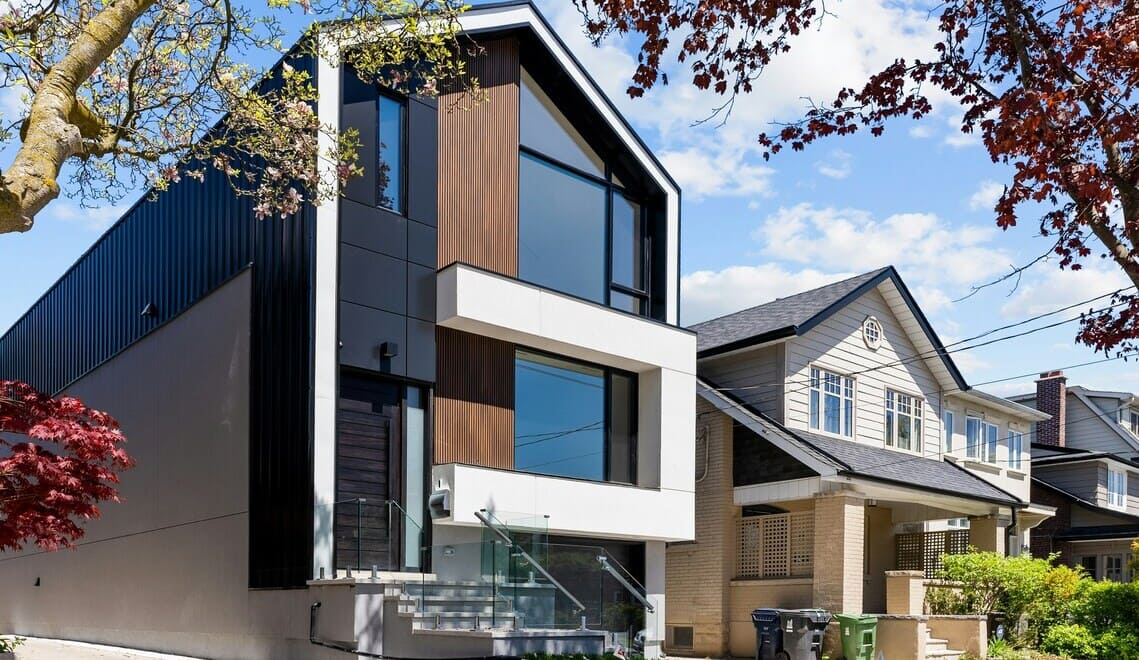
An architecturally dated property is not automatically a bad renovation candidate. Many older homes have generous proportions, solid materials, and site advantages that are difficult to reproduce. Aging systems, inefficient layouts, and old finishes can still make them feel disconnected from modern life.
Before redesigning anything, separate what is merely dated from what is technically obsolete. That distinction determines whether the right move is restoration, selective renovation, a larger architectural rethink, or no renovation at all.
Start With a Technical Audit
Do not begin with kitchens, flooring, or furniture. Start with the building itself.
A licensed inspector, architect, and appropriate engineering specialists should establish the condition of the structure, envelope, and major systems. Review:
- Foundation movement, framing changes, and load-bearing walls
- Roof condition, drainage, flashing, and water intrusion
- Electrical service capacity and outdated wiring
- Plumbing supply, waste lines, and water pressure
- HVAC sizing, ductwork, insulation, and ventilation
- Windows, exterior doors, waterproofing, and air leakage
This assessment shows whether the property has cosmetic age or expensive underlying problems.
Consider Selling Instead of Renovating
Not every dated property is worth redesigning.
If the home needs major structural repairs, full system replacement, extensive code upgrades, and significant layout changes, compare the total renovation cost with the property’s likely value after the work is complete.
For owners who do not want to take on a long construction project, another option is selling the home as-is in San Diego. An as-is sale can allow the property to change hands without the owner first completing cosmetic updates, replacing outdated finishes, or managing a full renovation.
This can make sense when:
- Repair and renovation costs are higher than expected
- The owner needs to sell within a shorter timeframe
- The property has significant deferred maintenance
- Managing contractors, permits, and construction is not practical
- The owner would rather leave modernization decisions to the next buyer
The decision should still be based on the property’s condition, estimated renovation cost, market value, and the owner’s financial and timing priorities.
Separate Architectural Value From Architectural Age
Some features look old because they belong to a different design period. Others are valuable precisely because they are difficult to recreate.
Identify the Elements Worth Keeping
Look at the building’s original hierarchy. Ceiling heights, window rhythm, stair geometry, room proportions, masonry, millwork, and exterior massing may contribute more to the home’s character than surface finishes.
A dated bathroom can be rebuilt. A poorly planned removal of an original staircase, stone wall, or well-proportioned room may permanently reduce architectural quality.
For properties with meaningful historic fabric, review the National Park Service Guidelines for Rehabilitating Historic Buildings before changing original materials or spatial relationships.
Fix the Plan Before You Update the Look
A house can receive expensive new finishes and still feel dated if the circulation remains awkward.
Study how people move through the property. Older plans may have formal rooms that are rarely used, isolated kitchens, undersized service spaces, limited storage, or poor connections to outdoor areas.
Do not default to removing every wall. Open-plan remodeling can damage acoustic control, furniture placement, and the sense of sequence that gives a luxury home character.
Instead, make targeted changes. A widened opening may connect rooms without destroying their definition. A kitchen can expand into an underused service room rather than consuming an entire formal space.

Check Structure Before Changing Walls
Any layout change should be coordinated with the structural system.
Removing a wall may require new beams, posts, footings, or lateral reinforcement. These changes can affect ceilings, flooring, and mechanical routes. Price the structural work before finalizing the interior design.
Modernize the Systems Behind the Architecture
The best renovation work is often invisible.
An older property may need more electrical capacity for modern kitchens, lighting, climate systems, security, and automation. HVAC may need zoning. Plumbing lines may need replacement before new stone or tile is installed.
Plan infrastructure first:
- Determine electrical loads and panel requirements
- Design HVAC zones before finalizing ceilings and millwork
- Confirm plumbing routes for relocated kitchens and bathrooms
- Plan data, security, lighting controls, and audiovisual wiring early
- Resolve insulation, moisture, and ventilation problems before finishes
Opening completed walls because a system was overlooked is an expensive mistake.
Use New Materials Without Erasing the House
A successful update does not have to imitate the original construction.
New work can be contemporary while respecting the building’s scale, proportions, and material logic. Repeating original materials everywhere can make an addition feel forced. A simpler complementary finish may create a cleaner relationship between old and new.
Consistency matters more than making every component look original.
Decide How Far the Renovation Should Go
Before construction, establish a renovation threshold. Separate necessary work from optional design upgrades.
Necessary work may include structural repair, water management, electrical safety, plumbing failure, or mechanical replacement. Design upgrades include layout changes, custom cabinetry, luxury finishes, and specialty fabrication.
Compare:
- Total project cost, professional fees, and permits
- A contingency for concealed conditions
- Temporary housing and carrying costs
- Expected construction duration
- Likely post-renovation property value
- How long you expect to own the home
This prevents a cosmetic project from quietly becoming a full reconstruction.
Update the Property With a Clear Reason
An architecturally dated property should not be modernized simply because it is old.
Keep features that still perform well and give the building identity. Replace systems that are unsafe, inefficient, or near failure. Change the plan only where it solves a real functional problem.
The strongest renovation is not the one that makes an older house look
More to Love!
How to Plan a Home Addition That Blends Seamlessly With Your Existing Architecture
How Exposed Structure Defines Residential Architecture