SUBSCRIBE


What to Consider Before Buying Land as an Investment
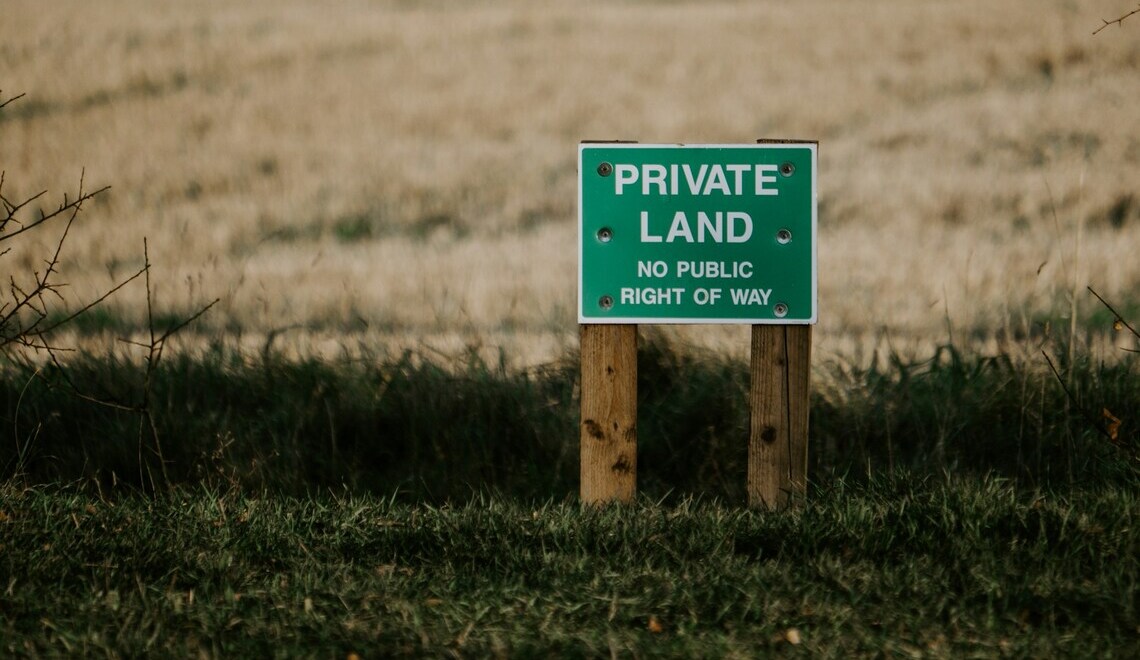
Buying land looks simple compared with buying a finished building, but the due diligence involved is often more demanding rather than less. Investors working through auction platforms such as Prime Property Auctions typically find that the sites offering the strongest long-term returns are the ones bought after proper planning and access checks, not the ones that simply looked cheapest on the day. Getting these fundamentals right before bidding protects the investment from costly surprises later.
Planning Status Determines the Real Value
A plot with outline planning permission for residential or commercial development is worth considerably more than an equivalent plot with no planning history at all, yet the difference is not always obvious from a listing description alone. Checking the local planning portal for any previous applications, refusals, or appeals on a site gives investors a far clearer sense of what the land might realistically achieve, rather than relying purely on the asking price as a signal of value.
Access and Services Are Easy to Overlook
Land without a legal right of access, or without mains water, drainage, and electricity nearby, can cost significantly more to develop than the purchase price alone suggests, since securing access or connecting services after the fact often involves negotiating with neighbouring landowners. Investors who confirm access rights and service availability before bidding avoid inheriting a problem that can delay or even block development entirely.
Understand What Auction Purchase Actually Commits You To
Buying land at auction is typically binding the moment the hammer falls, with a deposit due immediately and completion following within a fixed window, which means all due diligence needs to happen before the auction rather than after. Reading the full legal pack in advance, rather than skimming the headline listing, is the single most important habit separating experienced land investors from those who encounter unwelcome surprises post-purchase.

Location Still Drives Long-Term Demand
Even land bought purely as a speculative investment benefits from proximity to transport links, schools, and existing infrastructure, since these factors shape future planning decisions and eventual resale value regardless of what the land is used for in the meantime. Investors who research local development plans, rather than looking at a single plot in isolation, get a much better sense of where demand is likely to grow over the coming years.
Factor In Holding Costs Alongside Purchase Price
Undeveloped land still carries ongoing costs, including business rates in some cases, insurance, and basic maintenance such as boundary upkeep, and these costs should be built into any return calculation from the outset rather than treated as an afterthought. Investors who model a realistic holding period, factoring in these costs against expected appreciation or eventual development value, make far better-informed bidding decisions than those focused purely on the initial purchase figure.
Approaching Land Auctions With a Clear Strategy
Define Your Investment Strategy
The investors who do well buying land at auction are consistently the ones who enter with a specific strategy, whether that is long-term holding, near-term development, or resale once planning is secured, rather than bidding opportunistically on whatever comes up. Having that strategy clear before the auction starts makes every other decision, from maximum bid to legal due diligence, considerably more straightforward to work through. Comparing several available plots against the same criteria, rather than evaluating each one in isolation as it comes to auction, also helps investors recognise genuine value when it appears rather than getting drawn into competitive bidding on a site that does not actually fit their original strategy. Taking this disciplined approach consistently produces better long-term outcomes than reacting to whichever plot happens to be listed that week.
Work With a Land Specialist
Working with a solicitor who has specific experience in land transactions, rather than general conveyancing, is also worth the extra cost for most investors, since land purchases involve title and access complexities that a generalist practice may not spot as quickly. Getting that specialist input before bidding, rather than after a problem surfaces during completion, is one of the more reliable ways to protect an investment from issues that only become obvious once it is too late to walk away.
Check Environmental Factors Early
Environmental factors are also worth checking early, including flood risk, ground contamination history, and any protected species or habitats present on a site, since any of these can significantly restrict what a plot can eventually be used for. A basic environmental search, commissioned before bidding rather than after, often costs relatively little compared with the potential expense of discovering a restriction only once the land is already owned.
Making an Informed Land Investment
Land can offer opportunities for development, long-term appreciation, or resale, but its potential depends heavily on factors that are not always visible from the purchase price alone. Investors who carry out thorough planning, legal, access, environmental and financial checks before bidding can approach each opportunity with a much clearer understanding of its potential costs, risks and possible uses. A disciplined approach to due diligence and a clearly defined investment strategy can help ensure that the land purchased supports the investor’s intended goals over the long term.
Feature Image by Matt Seymour
More to Love!
10 Luxury Investments Every Modern Woman Should Own Beyond Diamonds
Designing the Future of Live Performance Spaces: Investment Beyond Traditional Real Estate