SUBSCRIBE


Bringing Gold Into Interiors in 2026
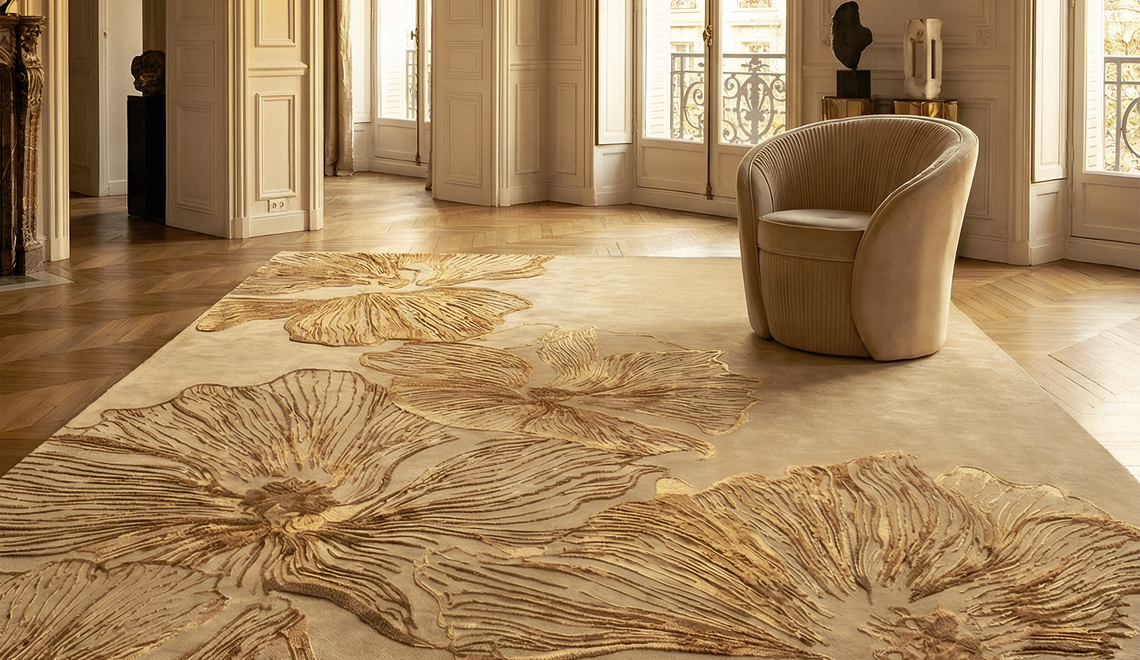
Gold has long been part of interior design, but how it is used continues to evolve. Rather than relying on high-shine surfaces or overtly glamorous schemes, you can introduce gold with a lighter touch through brushed finishes, aged metals, and carefully chosen polished details.
Brushed brass sits comfortably beside natural timber, while antique gold can warm up contemporary furniture, and more reflective finishes draw attention to smaller details. The appeal lies less in making gold the theme of a room and more in using it to add warmth, contrast and character.
From subtle accents and lighting to furniture and larger decorative finishes, there are plenty of ways to introduce gold without overwhelming the rest of your scheme.
Small Touches That Add Impact
Not ready for a room dominated by gold? Begin with accents. Smaller additions let you see how a metallic finish responds to the colours, textures, and natural light already in the room.
Frames and mirrors are an easy starting point, bringing warmth to a wall without competing with artwork or architecture. Cabinet handles can introduce the finish more quietly, while trays, candleholders and sculptural objects add smaller glimmers of gold to shelves and tables.
Furniture details offer another option. Metallic feet, handles or edging can give a familiar silhouette greater definition without turning the entire piece into a statement.
The finish itself also makes a difference. Brushed brass tends to feel softer, antique gold brings greater depth, while polished surfaces have a more reflective quality. You don’t need to match every metallic detail exactly, but similar undertones can help separate pieces feel connected.
Let Lighting Set a Warmer Mood
Lighting is one of the easiest ways to introduce a metallic finish without allowing it to dominate the room. If you are considering gold lighting for a space, think about the finish as well as the scale of the fitting. Brushed and antique gold tend to look softer, while highly polished finishes make more of a statement.
It’s also important to consider proportion. A sculptural chandelier can hold its own above a generous dining table, while smaller wall lights can bring warmth to a hallway or either side of a bed. Table and floor lamps offer a subtler way to repeat the finish around a living space.
The colour of the light itself can also affect how the metal appears. Warmer light tends to complement brass and gold tones, while cooler light creates a crisper contrast. Dimmers provide greater flexibility where a room needs practical illumination at one point in the day and a softer atmosphere later on.

Bring Gold Into Furniture
For a stronger statement, gold can become part of the furniture itself. A cocktail table with a metallic base, chairs with brass detailing, or a cabinet with gilded doors can create a focal point without requiring gold throughout the room.
Contrast is particularly effective here. Gold paired with veined marble has a more classic character, while black lacquer creates a stronger, more dramatic combination. Pale oak or other light timbers can make the same finish feel considerably more relaxed.
Give these pieces enough space to register. One distinctive design surrounded by quieter furniture will usually have more impact than several statement pieces competing for attention.
Take It Onto the Walls
Some rooms can accommodate gold on a larger scale. Metallic wallpaper, metal leaf and burnished decorative finishes introduce changes in colour and reflection as daylight moves through a space.
Dining rooms, entrance halls and smaller rooms can be particularly suited to this approach, as they often benefit from a stronger atmosphere. Architectural details can also provide useful boundaries: an alcove, panelled section or area within mouldings allows a richer finish to be contained rather than carried across every surface.
Metallic finishes can look markedly different in morning light, artificial light and shadow, so view them in the room at several points during the day before committing to a larger area.
Quieter neighbouring surfaces can then give the gold some definition. Rather than adding more decorative detail around it, allow the material itself to provide the interest.
Balance Gold With Natural Materials
Gold becomes easier to live with when it is grounded by materials with less sheen. Walnut, travertine, linen, wool and leather all provide texture without competing with a metallic surface. Warm metals work particularly well alongside natural materials, where their reflective quality provides contrast without overwhelming the scheme.
Colour can change its character too. Deep green, oxblood, and midnight blue create a richer combination, while warm beige, stone, and off-white create something lighter and more restrained. Black and gold is a more dramatic pairing, using the depth of black to offset the reflective quality of the metal.
Other metals can sit comfortably alongside gold, too. Blackened bronze adds contrast, while copper brings warmer tones and chrome offers a cooler finish. You don’t need to match every metal in the room; choose one as the main finish and use others in smaller doses for a more natural, layered look.
Make Gold Part of the Room
Gold has appeared in interiors across very different periods and styles, which is why it doesn’t need to belong to one particular look. It can be ornate or restrained, highly polished or deliberately aged.
The most successful use of it comes down to context. Start with the materials and colours already present, decide whether gold should provide a subtle connection or a stronger focal point, and allow enough quieter elements around it to create contrast.
You don’t need every metallic detail to match. A few well-placed pieces, chosen for the room rather than simply for their finish, are often enough.
More to Love!
Brass & Gold Hand Decor: Artistic, Statement Pieces by Koket
Enliven Your Interior with a Touch of Snake Decor