SUBSCRIBE


Install Outdoor Holiday Lights Securely: 6 Safety Tips You Shouldn’t Ignore
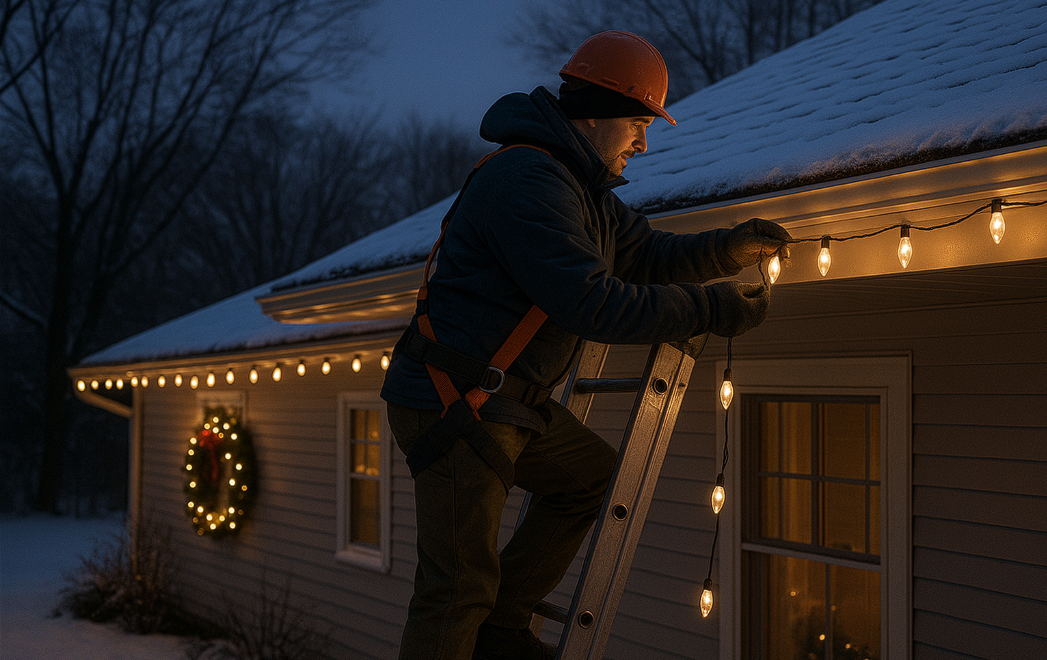
Families gather together during the holiday season as strings of lights hang from rooftops and windows, and sparkle up the outdoors with the Christmas cheer. But that joy can mask serious dangers when unsteady ladders wobble beneath you or moist extension cords stretch unnoticed across the lawn.
Stop and think through each step, and ensure everything you do keeps your home safe and aglow with sparkle. Hospitals treated 14,900 people in emergency departments according to a data report because of holiday decoration-related injuries, and you do not want to become another statistic.
Keeping safety in mind is as important as knowing how to install outdoor Christmas lights correctly. This blog will lay out a practical safety checklist for installing holiday lights to help you protect yourself and your loved ones, and let your display shine bright without any risk.
Common Mishaps During Lighting Installation
Setting up the holiday lights can give you a headache. It’s difficult to work in the cold to bring a little warmth to the winter, and when things don’t go as planned, all your holiday cheer can turn into something else. Those crashes cost more than you think and you’re putting everyone in danger of getting hurt badly.
- Loose wires that shoot sparks at random times and put your fuse box in danger.
- Overloaded circuits that shut everything down at the worst possible moment.
- Unsteady ladder placement that sends decorators tumbling when the ground is soft or sloped.
- Worn or frayed extension cords that expose wires and leave you vulnerable to shock.
- Setting up in damp or rainy weather without proper waterproof plugs and covers.
- Balancing lights on furniture or railings that shift when bumped by guests or pets.
- Pressing nails or staples through light insulation and creating hidden points of electric current.
- Swapping bulbs without cutting power first and receiving a painful jolt.
- Stretching cords across walkways and creating a fall hazard for family and visitors.
- Ignoring changing weather forecasts and watching your display suffer under wind or snow.
Top Safety Tips for Installing Outdoor Holiday Lights
1. Gather Your Gear
Every great project begins with the right tools at hand. Treat this like prepping for a mission rather than a quick weekend task.
- Thorough inspection of strands
Run each cable through your fingers, looking for cracks, stiff spots, or discoloration. Test every bulb by plugging the strand into a portable outlet before you climb. A single bad socket can short out the entire line once it’s up on the roof. - Protective equipment
A pair of thick, cut‑resistant gloves guards against shattered glass and sharp edges. Safety glasses keep bits of insulation or staples from getting into your eyes when you’re attaching clips. - Ladder stability check
Use a spirit level to verify the ladder rests at a 75-degree angle. Place non‑slip pads under the feet if they sit on grass or pavers. If you feel any wobble, shift and test again until rock‑solid.
Completing these checks first means you solve problems on the ground, not from thirty feet up, and gives you confidence that the tools won’t betray you mid‑hang.
2. Prepare Your Power Source
A strand of lights is only as safe as the path that carries its current. Treat your power setup like an electrical highway. It should be clear, secure, and built for outdoor weather.
- Outdoor‑rated extension cords & GFCI outlet
Only use cords stamped “for outdoor use.” Plug them into a ground fault circuit interrupter so any stray current trips the power before it reaches you. - Elevate and protect connections
Rest plugs and junction points on small wooden blocks or hang them from gutter hooks. Wrapping connections in weatherproof tape adds another layer against moisture. - Surge suppression
Slip a small outdoor surge protector between the outlet and cord. A sudden overload from additional strands won’t knock out your entire display.
By taking these steps you reduce shock hazards, keep breakers from tripping in the middle of the night, and give each strand the stable current it needs to glow reliably.
3. Anchor Your Lights Safely
Fastening lights isn’t just about looks. Proper anchoring prevents strands from tearing away in wind or rain and keeps wiring intact season after season.
- Use non‑puncturing clips
Opt for C‑shaped gutter clips or shingle‑grip hooks that lock onto eaves without piercing insulation. This preserves the cable’s protective jacket. - Even spacing and tension
Place clips roughly every foot so each bulb hangs straight and resists sagging in cold weather. Too few clips lead to uneven weight distribution and snapped wires. - Avoid makeshift supports
Never rely on tree bark, rail spindles, or patio furniture to hold lights. Those surfaces shift underweight and can pull staples right through the cord.
Well‑anchored lights sit flush against your home, resist weather forces, and stay in place until you’re ready to take them down. That stability keeps wires from fraying and keeps your display looking crisp all season.

4. Balance the Load on Your Circuit
When you layer strand upon strand, limits in your home wiring can trigger outages or fires. You must plan the total wattage before you plug in any lights. Calculating loads ahead of time prevents overheating and keeps breakers intact. This step protects both your home and your celebration.
- Know your wattage
Add each light strand’s power rating and keep the combined total below 1,800 watts per circuit to prevent wire heat. You calculate the sum before you hang any lights to avoid overloading breakers. Recheck your numbers whenever you add new strands. - Use LED lights when possible
Choose LED bulbs that draw up to ninety percent less power than incandescent options. They run cooler under load and allow you to connect more strands safely. This switch reduces both fire risk and your energy bill. - Avoid daisy-chaining too many strands
Follow proper instructions given by the manufacturer. Consider three to five a higher count for LEDs. Exceeding that limit causes voltage drops, flickering lights, and blown fuses. You maintain consistent brightness and safety by limiting end‑to‑end connections.
5. Make Smart, Weather‑Resistant Choices
Outdoor conditions test every connection with temperature swings, moisture, and wind. You protect your display by choosing products rated for exterior use and by sealing vulnerable points. Thoughtful selection of materials keeps lights shining through rain or frost. Planning for the elements saves you from costly repairs.
- Use weather‑rated products
Select lights, cords, timers, and outlets labeled for outdoor use to withstand moisture and temperature shifts. Every component meets tested standards for safety under real‑world conditions. This choice gives you confidence in every connection. - Shield vulnerable points
Wrap exposed plugs in waterproof electrical tape or install them in outdoor‑rated covers. You keep water out without trapping heat inside. Proper sealing extends the lifespan of plugs and prevents shorts. - Secure everything with the weather in mind
Fasten strands snugly so the wind cannot loosen them, yet avoid stretching wires. Use tension that balances grip and flexibility. This approach stops whipping motions that stress cords and connectors.
6. Prepare for the Unexpected
Even the best setup can encounter sudden issues, so smart preparation pays off. You arm yourself with safety tools and clear procedures for emergencies. Simple habits like nightly inspections and knowing your breaker location keep problems from escalating. These precautions ensure a safe, stress‑free display all season.
- Keep a fire extinguisher nearby
Store a Class C extinguisher within easy reach of your display area to tackle electrical fires immediately. You choose one rated specifically for live‑current incidents. This tool gives you a fast, effective response. - Know your main breaker location
Label the breaker panel and make sure everyone in your household can find it quickly. You can cut power instantly if sparks or trips occur. Rapid shutdown prevents small faults from turning into big problems. - Do a nightly walkaround
Inspect your display each evening for flickering lights, drooping wires, or shifted plugs. You catch loose connections before they become hazards. This habit keeps your setup both bright and safe.
Know When to Call in the Pros
Sometimes ambition outpaces ability, and that’s not a failure, it’s smart thinking. If your roof is steep, the design involves high trees, or your layout spans multiple stories, it may be time to get outside help.
- Safety at scale
A trusted Christmas light installation company has access to commercial-grade tools, high-reach gear, and crews trained to handle elevated installs under strict safety conditions. - Warranty matters
Professionals are insured against property damage or injury, meaning you aren’t left covering costs if something goes wrong. - Time and consistency
They bring in not just experience, but efficiency. What might take you an entire weekend, they often finish in hours, with wiring cleanly tucked and secured.
While decorating on your own brings pride, there’s no shame in handing off the heavy lifting when the risks start to rise. A professional touch still lets you enjoy the sparkle without the sweat or setbacks.
Wrapping Up
Carefully plan each stage, check each string of lights before attaching them to the house, and ensure that you’re using a sturdy, level foundation for your ladder to keep the shine bright and fear away. Test every socket using a GFCI and replace any frayed or hot cord before you hang decorations.
Protect connections with weather‑resistant covers and elevate plugs above the free void to keep moisture away. Spread the branches evenly to release the pressure of the gutters or branches and prevent hot spots.
So, when you’re out of your comfort zone with either height or intricate wiring, let someone else do it for you. By following these best practices, you’re assured an elegant, hassle-free illuminated display that delights (and doesn’t frighten) all season long.
More to Love!
Why Do We Decorate for Christmas? A Brief History of Christmas Trees
10 Unique Christmas Party Themes to Make Your Celebration Memorable