SUBSCRIBE


Mastering Sustainable Interiors with Green Renovation Insights from Designer Shelly Elmore

Sustainable interiors are a conscious lifestyle choice among those who desire interiors that are both environmentally responsible and exquisitely designed. Join this exploration of how Bostonians are integrating sustainability with a sense of style in their home renovations.
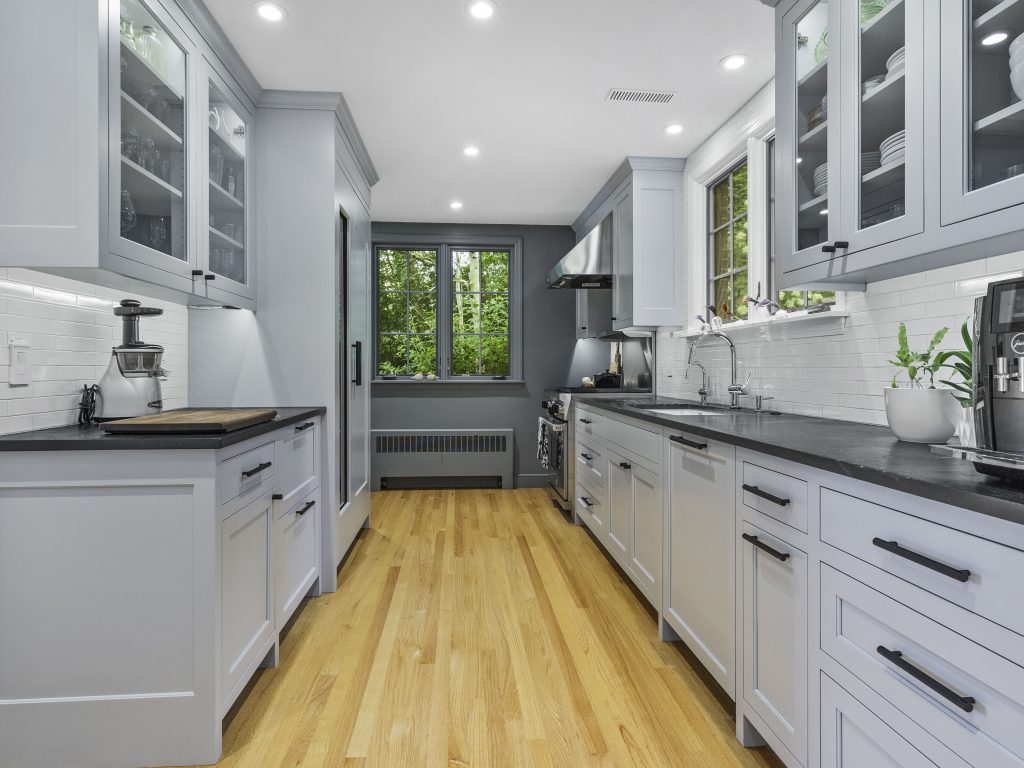
Sustainable Interior Designs in Boston
Designing sustainably invites simplification and clarity by considering the complete lifespan of a property, project, space, building materials, and furnishings. It doesn’t demand that everything be slavishly preserved. It asks, “What materials are already available?”, “Can x be reused, or harvested?”, “Is throwing away all this furniture really necessary to realize our vision?”, “Will new materials last or require another renovation in the near future?”, and so on.
Embracing a sustainable mindset with interior design is an important offset for an industry whose global construction and demolition practices generate nearly 11 million tons of waste annually.
Recognizing and respecting quality craftsmanship is important when approaching choices of restoration vs. replacement. In many Boston homes, there is more to older finishes and materials than meets the eye. Rare wood, unique stonework, and trade mastery abound from Beacon Hill to Moss Hill, Back Bay to the South End. Reusing existing materials can be as simple as repurposing or bringing them back to life. Adding on to existing built-ins or stripping away old paint to uncover and restore a piece of beautiful, durable woodwork is both eco-friendly and a way to retain the home’s New England heritage and value.
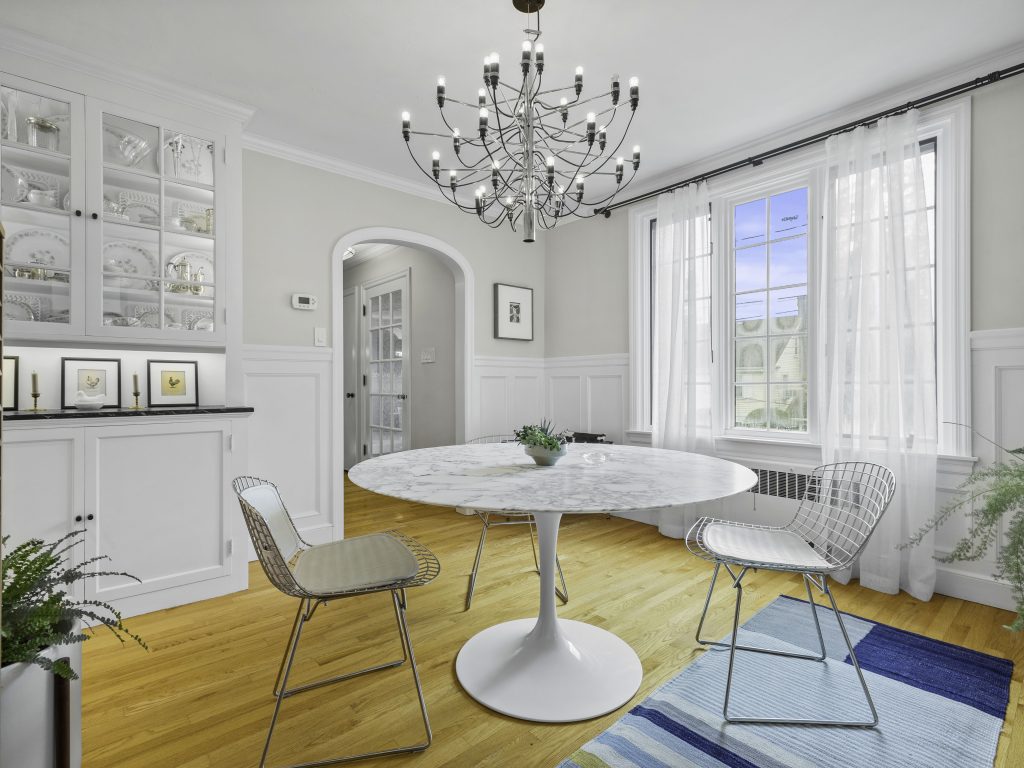
Green Design Materials for Renovations
Sustainable interior design is rooted in the principles of environmental responsibility and resource conservation. Choosing the right building materials plays a significant role in creating environmentally friendly interiors. It can also reduce the carbon footprint of your project while enhancing its healthiness.
As with all things in interior design, there is not a single approach that’s correct in every situation. Homeowners and designers are free to embrace as much or as little as is feasible and desirable for their projects. Even one sustainable action has an exponential impact. The following accepted sustainable design framework is an excellent guide for the numerous decisions inherent in any design project:
Sustainable Interior Design Framework
Material Selection
Choose non-toxic, low-VOC materials like natural wood, stone, marmoleum, bamboo, and prioritize recycled, reclaimed, or easily renewable materials. Consider restoration or revision, rather than replacement.
Energy Efficiency
Implement energy-efficient lighting, appliances, and building systems. Thoughtfully maximizing natural light and ventilation.
Waste Reduction
Design for durability and longevity, reusing and repurposing materials, and minimizing waste during construction and operation. Eliminate single-use plastics from your food storage and preparation.
Indoor Air Quality
Prioritize low-emitting materials and systems. Incorporate non-toxic green plants to improve air quality.
Water Conservation
Implement low-flow fixtures and rainwater harvesting systems, and minimize water usage in landscaping.
Community Economy
Support local businesses, use locally sourced materials when possible, and encourage sustainable practices within the community.
Sourcing
New interior design sourcing aggregators, like GreenList, provide a wealth of sustainable sourcing and implementation resources. Numerous local and online resources can assist with harvesting, donating or selling furnishings and materials. Doing so helps prevent perfectly usable materials from going to waste. It also helps reduce demand for building materials that cause rampant deforestation. Also, sourcing and shopping locally is a great way to support local economies, reduce transportation and supply costs, and promote a more resilient community environment.
Energy Efficiency
When creating sustainable interiors in the Northeast, designing spaces with a focus on energy efficiency is critical. Even with its wicked cold winters, pairing solar panels with heat pumps can completely eliminate heating and cooling bills for New England homes. Choose Energy Star-certified appliances, lighting, windows, heating, and cooling systems that are built for efficiency. Opting for LED lighting instead of traditional incandescent bulbs significantly reduces energy consumption and lowers your electricity bills.
Flooring
Choice of flooring materials is another key opportunity area for living sustainably, while also reducing toxins in your home. Bamboo flooring has become popular because Bamboo is a rapidly renewable resource that grows much faster than traditional hardwoods. It’s durable, visually appealing, and has a significantly smaller ecological impact. The inherent textures and patterns of the wood bring an element of nature’s beauty indoors.
Air Quality
Another significant consideration is indoor air quality. Sustainable interior design prioritizes the use of low or zero-VOC (volatile organic compounds) paints, adhesives, and sealants. Low or zero-VOC materials release fewer harmful chemicals into the air, ensuring better indoor air quality and reducing health risks for occupants. Additionally, utilizing proper ventilation systems helps remove pollutants from the air and maintain a healthy indoor living environment.

The Importance of Nurturing Interiors
A nurturing interior is not just about aesthetics; it encompasses creating a space that supports our mental, emotional, and physical well-being. In our fast-paced lives, it becomes essential to cultivate environments that provide solace, comfort, and a sense of harmony. Nurturing interiors recharge our energy, encourage relaxation, and foster positive experiences.
Home is a wonderful place to create spaces that cater to our specific needs and preferences. Whether it’s through colors, artwork, or furniture choices, personal touches contribute to the overall ambiance and make a house truly feel like a home.
Much like how we nurture ourselves through self-care practices such as meditation or taking care of our physical health through exercise, nurturing our interiors is an act of self-care for our living spaces.
Creating a cozy reading spot with soft lighting, plush cushions, and a small bookshelf filled with favorite reads can feel like the perfect spot for unwinding after a long day. It proves a nurturing atmosphere where one can escape from the outside world and find solace in the pages of a beloved book.
Optimizing functionality and organization is another essential aspect of nurturing interiors. Efficient storage solutions help declutter spaces, reducing visual and mental distractions. A well-organized space eliminates unnecessary stress and promotes a sense of calm, clarity, and flow.
Nurturing interiors prioritize comfort. Investing in high-quality furniture, ergonomic designs, and cozy textiles can significantly enhance our well-being. For example, a comfortable mattress, quality bedding, and supportive pillows in the bedroom contribute to restful sleep, crucial for overall health.
Ultimately, nurturing interiors are about designing spaces that support and inspire us. It’s about creating an environment where we can unwind, connect with loved ones, pursue our passions, and find solace amidst the chaos of the outside world.
Health and Well-being Benefits
When it comes to home renovation, prioritizing health and well-being is crucial. Fortunately, green home renovation offers a multitude of benefits that go beyond aesthetics and functionality. By incorporating elements of sustainable interiors, you can create a living space that promotes your overall well-being while reducing your environmental impact.
Improved indoor air quality and reduced exposure to toxins are a few key benefits of green home renovation. Traditional renovation materials often contain harmful chemicals, such as volatile organic compounds (VOCs), that can negatively affect air quality, leading to various health issues like respiratory problems, allergies, and headaches. However, by choosing eco-friendly materials and products, you can reduce or eliminate the presence of these harmful substances in your home, ensuring cleaner and healthier air for you and your family.
Furthermore, green home renovation focuses on creating spaces that promote mental wellness as well. Natural light plays a significant role in this aspect as it positively affects our mood, productivity levels, and sleep patterns. Incorporating large windows or skylights allows ample natural light to flow into the space, reducing the reliance on artificial lighting during the day. When it comes to windows, birds merit consideration. There are numerous tapes and other applications that are invisible to humans but help birds see and avoid deadly collisions with windows that reflect surroundings.
Bringing plants indoors not only adds visual appeal but also improves air quality by filtering out toxins and increasing oxygen levels. Plants play a significant role in creating natural harmony within interiors. Adding indoor plants not only enhances the aesthetics but also improves air quality by filtering out harmful pollutants.

Exploration of Eco-Friendly Architecture in Boston
Boston has made remarkable strides in embracing eco-friendly practices in construction and design. The city boasts numerous buildings that showcase sustainable interior architecture principles while providing functional and aesthetically pleasing spaces.
One notable example is the EpiCenter, a LEED Platinum-certified building located in the Artists For Humanity complex. This innovative structure incorporates various sustainable features, including renewable energy sources such as solar power and wind turbines. It also utilizes rainwater harvesting systems and efficient insulation materials to minimize energy consumption and reduce its carbon footprint.
Another prominent eco-friendly architectural landmark in Boston is the Bullitt Center. This six-story building in Kendall Square is considered one of the most sustainable commercial buildings in the world. With features like triple-glazed windows, energy-efficient lighting systems, and advanced water management strategies, the Bullitt Center showcases how sustainable design can positively impact both the environment and occupant comfort.
These examples highlight how Boston has embraced sustainability and prioritized eco-friendly architecture within its urban landscape.
Boston’s eco-friendly architecture adds vibrant colors to the city’s skyline while reducing demands for unsustainable resources.
Creating Personal Style with Sustainable Interiors
Creating a personal style is an opportunity to express your unique tastes and preferences. Achieving that expression can also incorporate health and sustainable living practices. It’s all about finding the perfect balance between aesthetics and eco-conscious choices.
Mindful consumption is crucial when creating a sustainable home. Consider investing in timeless, well-crafted pieces that will stand up to their intended use over time. Cheap furnishings or installations that fall apart and quickly fall out of “style” end up being thrown away. Whereas furniture and decor items that serve multiple purposes can be easily repurposed as your needs and living spaces change.
Personal style is not limited to materials and energy-efficient solutions. It also extends to how we approach consumption and value the belongings in our homes. Reducing or eliminating plastics from your home can be as simple as investing in a soda machine with glass bottles. So many useless home products are relentlessly marketed; don’t fall for the hype of overconsumption. By focusing on quality over quantity, you can curate a space that is both stylish and economical.
Creating with sustainability in mind allows you to make conscious choices that positively impact the environment and our health. By considering non-toxic, eco-friendly materials, energy-efficient solutions, and practicing mindful consumption, you can design a home that reflects your unique personality and values. Whether your home is located in Boston or beyond, there’s never been a better time to let your creativity shine and also reduce your impact on the collective ecosystems that share planet Earth.
Words by Shelly Elmore
More to Love!
6 Positive Luxury Certified Sustainable Brands
Eco-Friendly Closets: Sustainable and Cost-Effective Custom Solutions