SUBSCRIBE


What Affluent Women Should Know About Wills and Estates Counsel
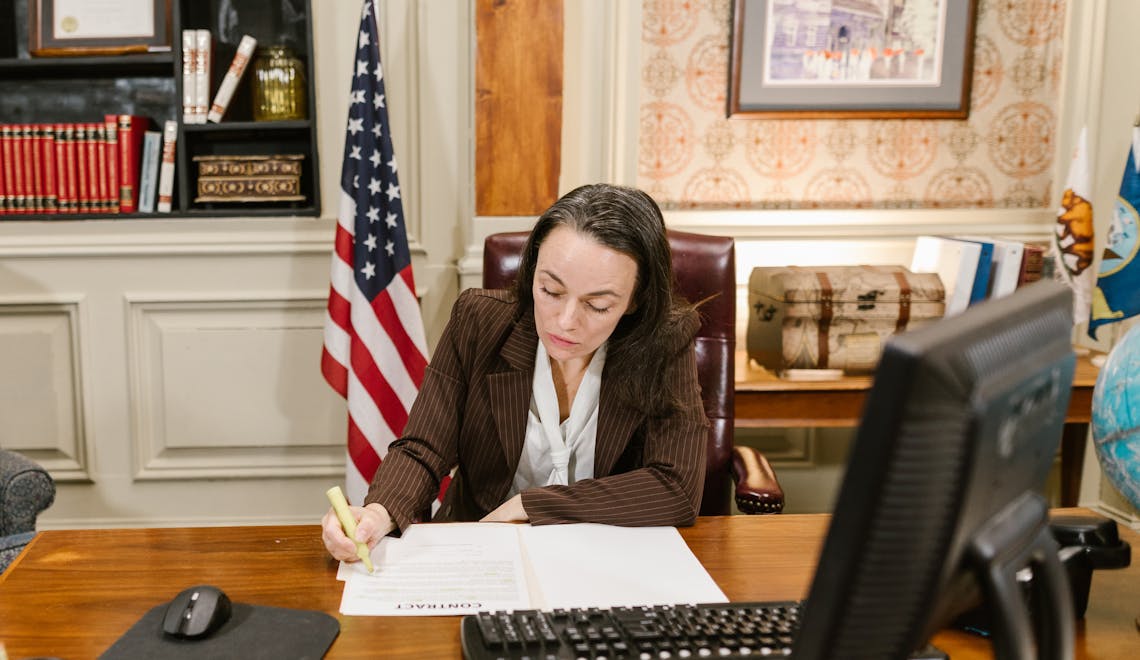
Affluent women are reshaping the estate-planning conversation in ways their mothers and grandmothers rarely had the standing to drive. More women hold primary wealth, run companies, and make their own succession decisions than at any point in modern history. The estate plan is no longer something handled by a husband’s lawyer. It is a deliberate piece of strategic infrastructure that deserves the same care a woman would apply to a major business decision.
Specialist firms provide the structured guidance the conversation deserves. The Attwood Marshall wills and estates team, based on Queensland’s Gold Coast in Australia, illustrates the credentialing depth women evaluating estate counsel should look for. The same selection logic applies whether the firm sits on the Gold Coast, in Manhattan, or in Mayfair, with local probate culture and procedural specifics filling in the differences.
Why Has Estate Planning Become a Higher-Stakes Conversation for Women?
Three structural shifts have moved estate planning from a quiet topic into strategic territory for affluent women. The first is wealth ownership. Modern affluent women hold business equity, real estate portfolios, and investment accounts in their own names rather than in spousal joint structures. The decisions about succession sit with them.
The second is family complexity. Modern affluent families often involve step-children, adult children from prior relationships, and beneficiaries spread across countries. The third is the strategic shift toward giving while living. The American Bar Association’s real property, trust, and estate section reflects how the work has evolved into a multi-decade strategy rather than a single document.
What Should Affluent Women Verify Before Engaging Estate Counsel?
Six criteria belong on every shortlist. The table below summarises what affluent women should weigh before commitment.
| Criterion | What to Verify | What a Strong Answer Looks Like |
| Specialisation | Wills, estates, and trusts focus | 70%+ caseload in estate work |
| Tax-and-structure depth | Tax-efficient succession planning | Direct experience with comparable estates |
| Cross-border experience | International asset coordination | Recent matters spanning multiple jurisdictions |
| Communication cadence | Update rhythm and named contact | Documented protocol, not improvised |
| Fee structure | Total realistic cost + contingencies | Range with what triggers the upper end |
| Discretion | Confidentiality protocols | Clear written commitments and references |
A consultation that produces clear answers across these areas signals counsel worth retaining. A consultation that deflects on any of them signals counsel that may not match the woman’s needs.
Which Estate-Planning Areas Reward Specialist Depth?
Three areas reward specialist counsel more than the others. The first is business-succession planning where the woman owns equity in a closely held company. The interplay between corporate documents, shareholder agreements, and personal estate documents requires coordinated specialist work.

The second is cross-border asset coordination. Property in multiple countries, business interests abroad, or beneficiaries living overseas all introduce probate complications that domestic-only counsel often handles poorly. The third is family-protection structures. Trusts, family-investment vehicles, and conditional bequests all need careful drafting to survive challenge later. The Law Council of Australia’s wills-and-estates policy work outlines the specialist standards Australian practitioners are expected to meet.

What Common Errors Surface in Affluent Women’s Estate Selection?
Several patterns recur. The first is using the family’s general lawyer rather than a wills-and-estates specialist. A commercial or property lawyer is often the wrong fit for a complex estate.
The second is delaying the conversation. Estate planning compounds over decades. The third is signing without understanding the long-term implications.
The fourth is treating the lawyer as the decision-maker rather than the adviser. The same self-direction that affluent women apply to building a thoughtful business through hospitality design carries through to retaining counsel who supports rather than overrides the client’s voice. The fifth is forgetting the digital-asset side. Modern estates increasingly include cryptocurrency, online business assets, and digital-content rights that need explicit succession planning.
What Is the Bottom Line for Women Building Their Estate Plan?
The estate-planning decision rewards the same homework discipline affluent women already apply to other major life choices. The window for thoughtful planning is decades long, but the right time to begin is now rather than after a health event or a family change. The same intentionality that informs a celebration of women’s leadership at the Cascais summit carries through to building an estate plan that reflects the woman’s actual values and family situation.
Whether the matter sits on Australia’s Gold Coast, in New York, or in London, the criteria translate cleanly across borders. The first consultation should answer specific questions about strategy, structure, timeline, and fees. Australian women choosing local Gold Coast counsel and US women choosing local counsel both benefit from the same structured approach. The geography differs. The homework discipline does not.
Frequently Asked Questions
When Should Affluent Women Begin Estate Planning?
Begin the moment substantial assets sit in the woman’s own name. That moment arrives earlier than most women expect, often in their thirties or forties as career assets accumulate. Earlier engagement allows the plan to evolve with the woman’s life rather than catching up to it after a major change. The first conversation usually carries no fee or a modest engagement charge.
How Do I Verify a Lawyer’s Wills-and-Estates Specialisation?
Look for accredited specialist designations in jurisdictions that offer them. In Australia, this means accredited wills-and-estates specialist status from the relevant state law society. In the US, look for state-bar specialist certifications where available. Check the firm’s caseload focus and references from comparable matters. A firm that hesitates to share examples is one to keep evaluating.
What Should I Expect to Pay for a Full Estate Plan?
Full estate planning fees vary widely by jurisdiction and complexity. Australian Gold Coast plans typically run AUD $5,000 to $25,000 for the initial setup. US matters fall in similar USD ranges. Specialist firms often quote a clear scope tied to specific deliverables, with annual review work added at modest additional cost.
Should the Plan Be Reviewed Periodically?
Yes, every 3 to 5 years and after any major life event. Marriage, divorce, business sale, property purchase, or birth of a grandchild all trigger a review. The plan that worked at age 45 often needs adjustment at age 55. Specialist firms typically build a review cadence into the engagement. The review usually takes a fraction of the time of the original setup.
Feature Image by RDNE Stock project
More to Love!
The New Digital Craft: How 3D Modeling Services Empower Women in Design
Why Women Executives Commission Custom Office Furniture