SUBSCRIBE


Home Security as a Quiet Luxury for Your Dream Home
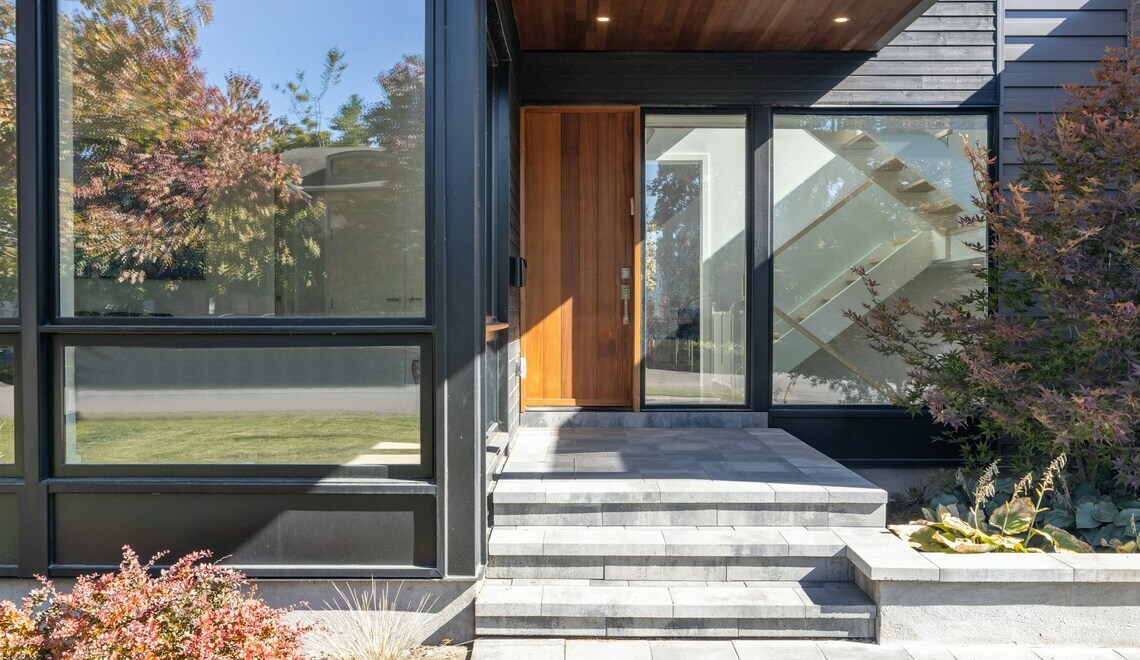
A beautiful home is meant to feel like a refuge. The lighting flatters every room, and the whole space invites you to slow down. Yet that calm rests on something most people rarely notice. It rests on the doors, the locks, and the choices that keep the outside world outside.
Security is not the opposite of style. The strongest homes weave protection into the design so quietly that guests never notice it. Things still go wrong, of course, and a key gets lost or a lock stiffens. A trusted partner like All Hour Locksmith can fix those moments without disturbing your design. The goal is peace of mind that blends in.
Why Peace of Mind Starts at the Front Door
The front door does more emotional work than any other part of a home. It is the first thing guests see. It is also the last barrier between your private world and the street. A door that looks solid but uses a weak lock sends a false signal.
Good security design begins with honest questions. How many entry points does the home have? Which ones stay hidden from the street? A quiet side gate can matter more than the grand entrance everyone admires.
The National Institute of Justice publishes work on crime prevention through environmental design. This approach shapes spaces so they discourage intrusion on their own. The idea is simple. Light, clear views, and well-kept grounds tell a stranger that someone pays attention here.
A short audit helps you see the home the way a stranger would:
- Walk the perimeter at night and note every dark corner.
- Test each door to feel whether the bolt seats firmly.
- Check the windows that sit low enough to reach from the ground.
Choosing Locks That Match a Refined Home
Locks have a grading system, and knowing it removes most of the guesswork. The American National Standards Institute and the Builders Hardware Manufacturers Association rate residential locks on a scale of Grade 1 through Grade 3. Grade 1 offers the highest performance. Grade 2 suits most exterior residential doors, while Grade 3 belongs on interior doors.
These grades come from real testing, not marketing. A graded deadbolt must survive repeated strikes during certification. Those impact tests drive force against the bolt to mimic a kick. A Grade 1 or Grade 2 deadbolt on every exterior door is one of the few upgrades that costs little yet changes real security.
Style does not have to suffer for strength. Finishes now span 4 broad families, from warm brass to matte black. A serious lock can match your cabinet hardware and light fixtures.
Three details separate a lock that looks the part from one that performs:
- The bolt throw, meaning how far the bolt extends into the frame.
- The strike plate, which should anchor into the stud with long screws.
- The cylinder quality, since cheap cylinders pick far more easily.
If a renovation changes who holds a key, rekeying costs less than a full replacement. The interior stays untouched while the lock accepts a new key. That is why so many owners pair a home decor refresh with a quiet security update.

Building Security Into the Whole Property
A single strong door does little if the rest of the property invites a closer look. Real protection spreads across the grounds, the lighting, and daily habits. Each layer makes the next one more effective.
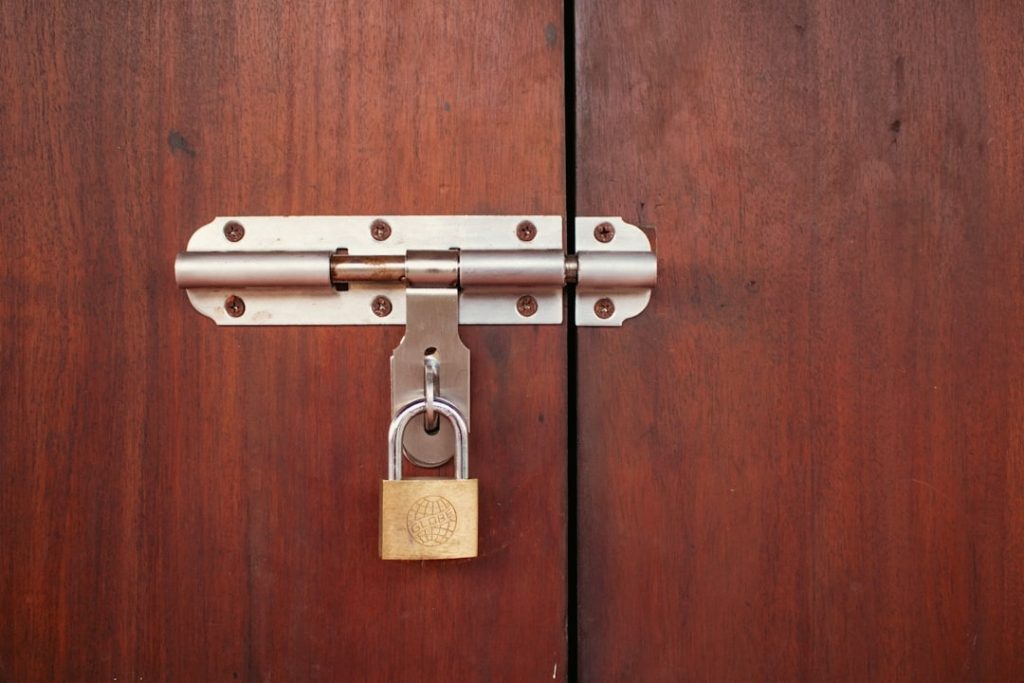
The National Crime Prevention Council offers practical home and neighborhood safety guidance. Two of its steadiest tips cost almost nothing. Use timers so lights switch on when the house sits empty. Keep spare keys with a trusted neighbor rather than under a mat.
Outdoor lighting deserves attention because it works around the clock. Motion-activated fixtures along a path remove the shadows that an intruder would prefer. The same lighting that flatters an evening gathering also keeps watch after midnight.
A layered plan tends to follow a clear order:
- Light the exterior so no approach stays in darkness.
- Secure every door with a graded deadbolt and a solid strike plate.
- Reinforce the windows with locks and, where it suits, laminated glass.
- Set a routine for keys, timers, and a final nightly check.
A household can add these steps across 2 or 3 weekends. The result feels less like a fortress and more like a home that simply runs well.
When to Call a Professional Locksmith
Some jobs reward a careful do-it-yourself approach, while others belong to a trained technician. A bedroom that needs a privacy lever is a fine weekend task. A failing front-door cylinder is not, and neither is a lockout at midnight.
A locksmith brings tools and judgment that a hardware-store kit cannot match. A pro can rekey a whole house in a single visit. The same visit can fit a high-grade deadbolt without splitting the door. A locksmith can also plan a master-key system, where one key opens several doors while others stay limited. That control keeps a large home, like one built around a serene chaise lounge retreat, both easy and secure.
Round-the-clock service matters most at the worst moments. A 24/7 locksmith can reach a stranded homeowner after hours, when a child is locked inside or keys vanish. Speed in those moments protects more than property. It protects the calm that a well-built home is meant to provide.
Frequently Asked Questions
What Lock Grade Should a Luxury Home Use?
Aim for a Grade 1 or Grade 2 deadbolt on every exterior door. Those grades pass the most demanding strike and durability tests. Grade 1 is the strongest and works well for main entries. Grade 2 suits most residential doors and costs less. Save Grade 3 for interior doors, where the demands stay light.
How Often Should I Rekey or Replace Locks?
Rekey whenever the set of people who hold a key changes. Common moments include a new home, a major renovation, or a lost key. Rekeying is faster and cheaper than full replacement. The lock body stays in place while the cylinder accepts a new key. Replace the whole lock only when the hardware is worn or outdated.
Are Smart Locks Worth It for a High-End Home?
Smart locks add convenience and useful records. They can grant timed access for guests and alert you when a door opens. The best choice pairs a smart mechanism with a graded deadbolt. Keep a physical key backup in case of a dead battery, and protect the app with a strong password.
Why Hire a Locksmith Instead of Doing It Myself?
A do-it-yourself swap can work for simple interior doors, but exterior security rewards a trained hand. A locksmith fits a deadbolt without weakening the door. They set the strike plate into the framing for real holding power. A pro also handles lockouts and broken cylinders quickly, often within 1 visit.
Featured Image by Point3D Commercial Imaging Ltd.
More to Love!
Keeping Your Home and Family Safe For Your Peace of Mind
How Can You Integrate Your Alarm System With Existing Security Cameras for Complete Coverage?