SUBSCRIBE


The Women Who Defined Art Deco Paris
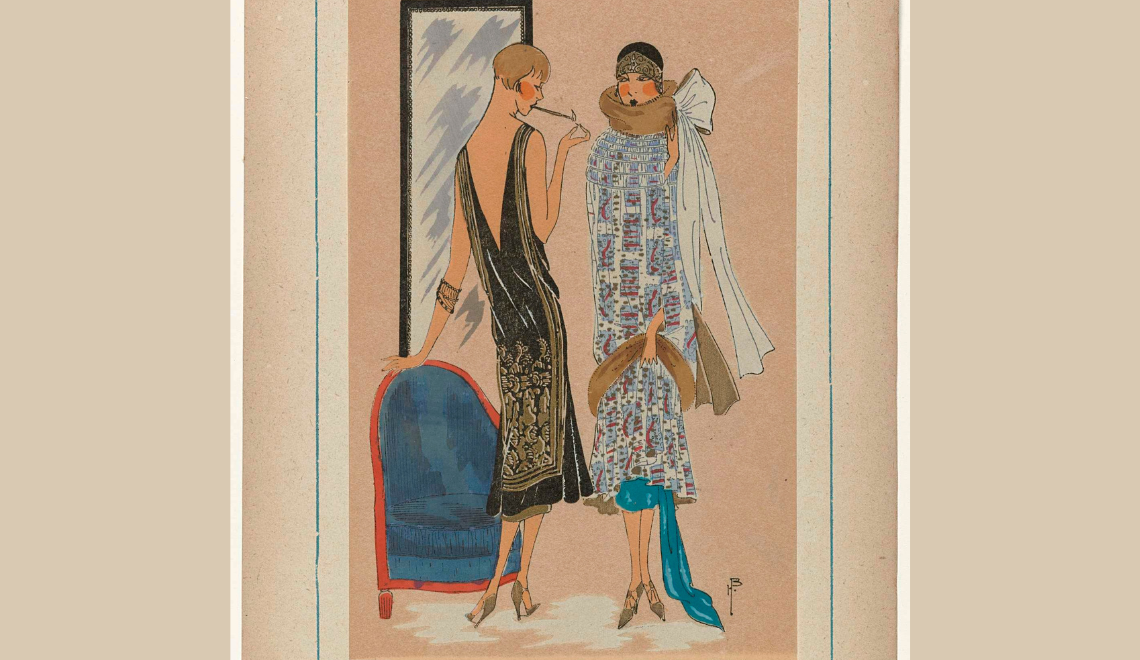
Paris between the world wars — roughly 1920 to 1939 — was a city that had decided, collectively, to stop apologizing.
The corsets came off. The hemlines rose. Hair was cut into sharp, unapologetic bobs, and cigarette smoke curled through cafés where women sat alone, on purpose, reading philosophy or gossip or nothing at all. It was a city rebuilding itself in lacquer, chrome, mirrored glass, and gold after a war that had taken so much — and the women who moved through it understood something the rest of the world was still catching up to: that discipline and desire were not opposites. That elegance could be modern. That a woman could be precise and devastating in the same breath.
Everywhere, Paris reflected this new confidence. Jazz drifted from Montparnasse clubs. Couturiers reinvented the silhouette. Designers abandoned ornament for geometry, then made geometry seductive. The cafés of the Left Bank filled with artists, writers, architects, photographers, and performers who were rewriting what modern life could look like. When the Exposition Internationale des Arts Décoratifs et Industriels Modernes opened in 1925 — the exhibition that gave Art Deco its name — it wasn’t introducing a movement so much as revealing one that Paris had already begun living.
Some of the women who shaped that transformation have names we still know. Others became part of the atmosphere itself. The tilt of a chin in a portrait, the flash of a fringe hem beneath a theatre spotlight, the confidence of a lacquered room that knows exactly what it is.
Together, they didn’t simply define an aesthetic. They redefined who had permission to shape culture.
Here’s a guide to the women who helped make Art Deco Paris unforgettable.
DESIGN & ARCHITECTURE
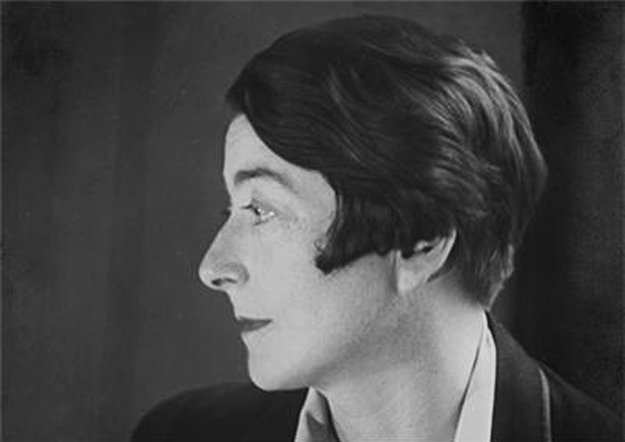
Eileen Gray. Before Art Deco had a name, this Irish-born designer was already living it. Trained in lacquerwork under Japanese master Seizo Sugawara, she created furniture that blurred the boundary between architecture and sculpture, culminating in her revolutionary E-1027 house on the French Riviera. For decades her contributions were overshadowed by the men around her. Today she’s recognized as one of modern design’s true pioneers.
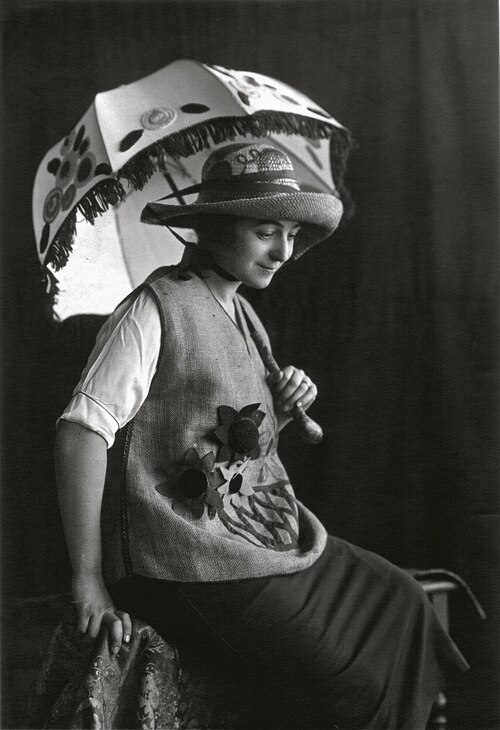
Sonia Delaunay. With her husband Robert, she developed Simultanism — a bold exploration of color and movement that extended from painting into textiles, fashion, interiors, and furniture. In 1925 she opened her own fashion house, proving that modern art belonged not only on gallery walls but in everyday life. Nearly forty years later she became the first living woman honored with a retrospective at the Louvre.
Lola Prusac. Joining Hermès in 1925, the Polish-born designer introduced a distinctly Art Deco vocabulary to luxury leather goods, creating geometric handbags inspired by modern art while also leading the house’s first womenswear collection. She demonstrated that the movement’s clean lines belonged as naturally in couture accessories as they did in architecture.
For these women, furniture, fashion, interiors, and architecture weren’t separate disciplines. They were simply different ways of expressing the same modern spirit.
PAINTERS
Tamara de Lempicka. No artist captured the confidence of Art Deco quite like Lempicka. A refugee of the Russian Revolution, she painted aristocrats, actresses, and socialites with polished surfaces, sculptural forms, and an unapologetic glamour that became synonymous with the era itself. Her famous self-portrait behind the wheel of a green Bugatti remains one of modern art’s defining images.
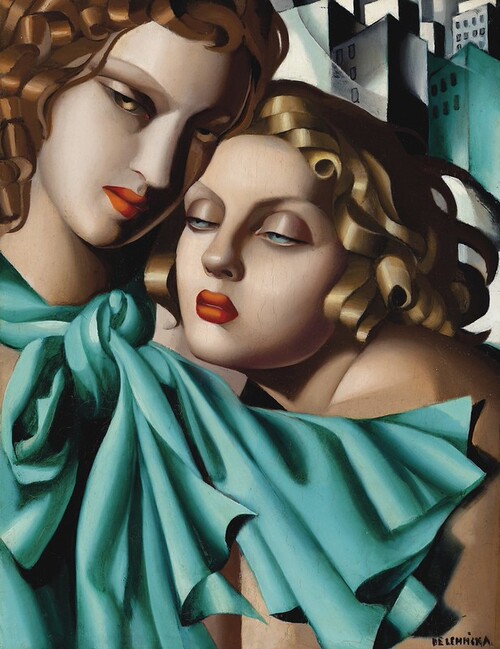
Lucienne Bloch. Trained under sculptor Antoine Bourdelle and Cubist painter André Lhote, Bloch developed a career that crossed sculpture, photography, and glass design. Later, in the United States, she captured the only surviving photographs of Diego Rivera’s destroyed Rockefeller Center mural — preserving a piece of art history that would otherwise have vanished.
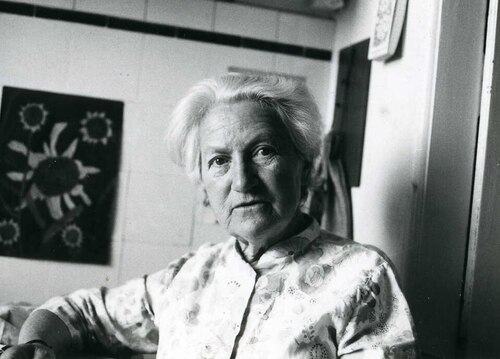
Odette Pauvert. In 1925 she became the first woman ever awarded the Grand Prix de Rome for painting, breaking through one of France’s oldest artistic barriers before returning to create murals for major public commissions across the country.
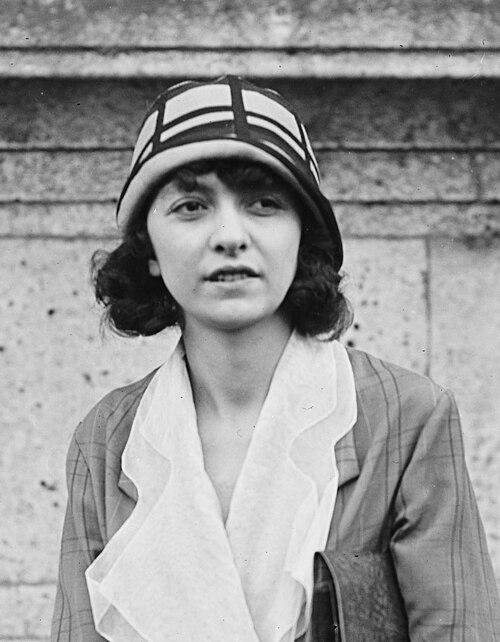
Their paintings helped define the visual language of the period — but they weren’t the only ones shaping how the world would remember Art Deco.
BEHIND THE CAMERA
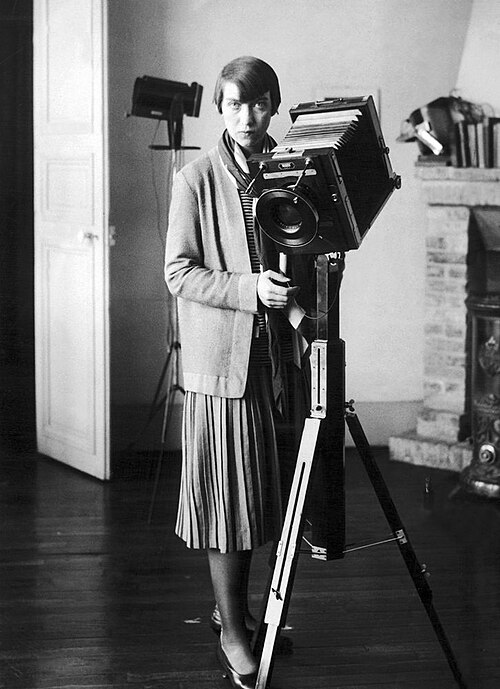
Lee Miller. Arriving in Paris in 1929, the former model convinced Man Ray to take her on as an assistant, eventually becoming both collaborator and accomplished photographer in her own right. She is often credited with helping develop the solarization technique before later documenting the Second World War with extraordinary courage.
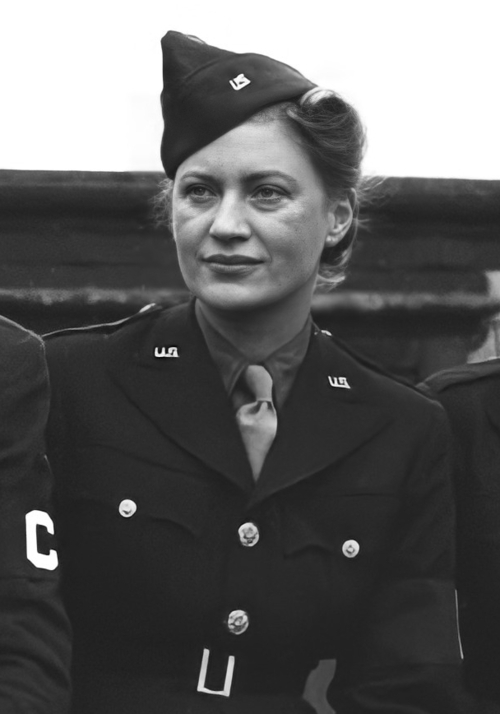
Berenice Abbott. Another American drawn to Paris’s creative energy, Abbott worked alongside Man Ray before establishing herself as one of the twentieth century’s most important photographers. Through her lens, the artists and intellectuals of the era became part of history.
MUSE & BOHEMIA
Kiki de Montparnasse (Alice Prin). Painter, performer, singer, and perhaps the most recognizable artist’s model of the Jazz Age, Kiki embodied the free-spirited soul of Montparnasse. Best remembered as the subject of Man Ray’s Le Violon d’Ingres, she was far more than a muse — she was one of Paris’s most vibrant creative personalities.
STAGE & SPECTACLE
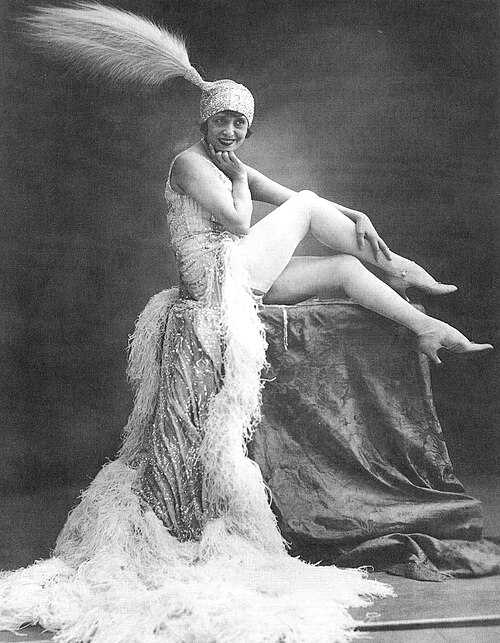
Mistinguett. The unrivaled star of the Moulin Rouge and Casino de Paris, Mistinguett transformed glamour into performance. Beneath dazzling lights, mirrored staircases, shimmering costumes, and Art Deco stage sets, she helped define the theatrical extravagance that became inseparable from Paris in the 1920s.
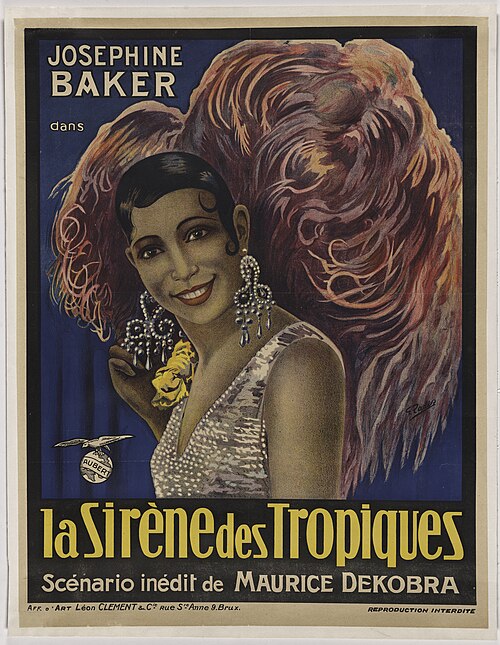
Josephine Baker. Baker electrified Paris with performances at the Folies Bergère before becoming a French citizen and serving the Resistance during the Second World War. She embodied the era’s fearless modernity — equally influential in fashion, photography, and popular culture as she was on the stage.
COUTURE
Gabrielle Chanel. Long before “minimalism” became a design philosophy, Chanel argued that confidence required no excess. By freeing women from restrictive corsets, she reshaped fashion — and influenced interiors, architecture, and modern luxury’s enduring preference for elegance over ornament.

Jeanne Lanvin. While many embraced streamlined silhouettes, Lanvin remained devoted to romantic femininity, building one of Paris’s great couture houses while expanding into interior decoration with Lanvin Décoration in 1921, where fashion and interiors became part of the same artistic vision.
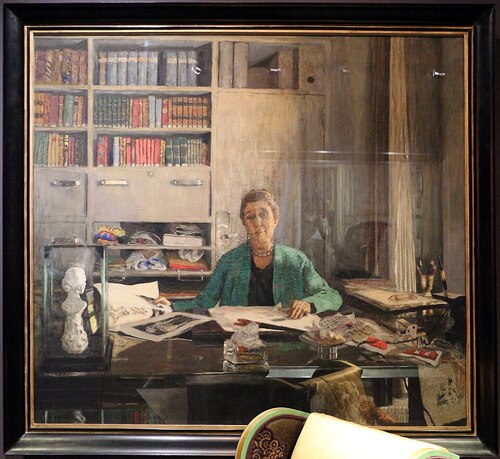
Elsa Schiaparelli. Chanel’s daring counterpart, Schiaparelli embraced surrealism with lobster dresses, shocking pink, and collaborations with Salvador Dalí. For her, clothing wasn’t merely beautiful — it was conversation.
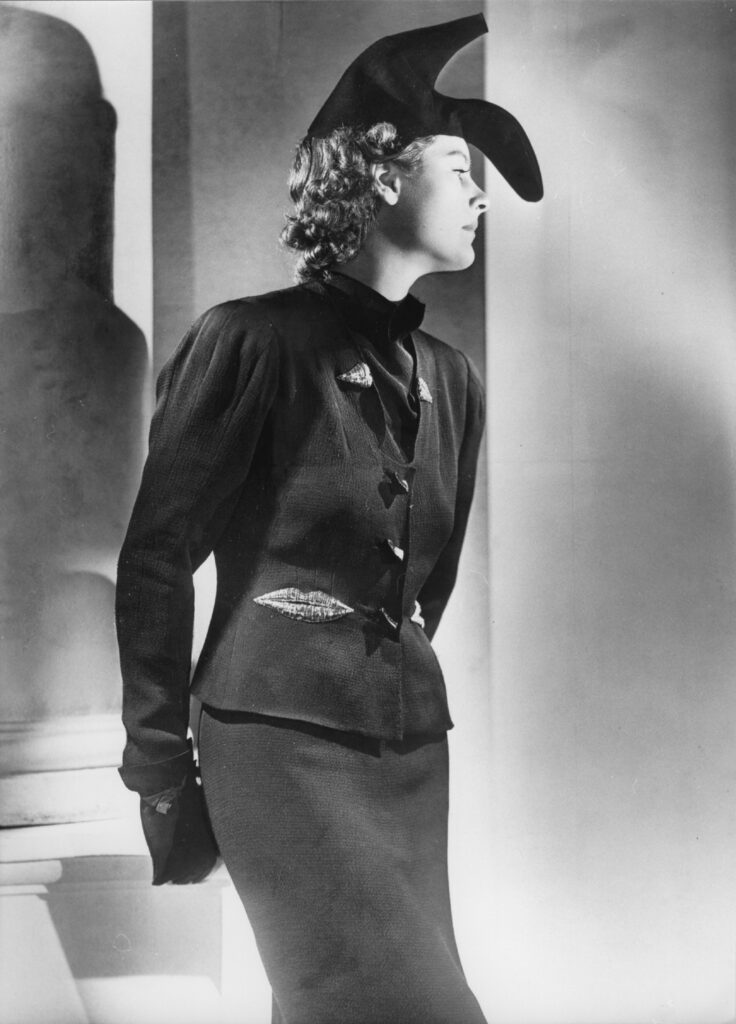
Madeleine Vionnet. Revered as the Queen of the Bias Cut, Vionnet transformed how garments moved, allowing fabric to follow the body’s natural form rather than constrain it. Modern fashion still follows the principles she established.
SALONS & SOCIETY
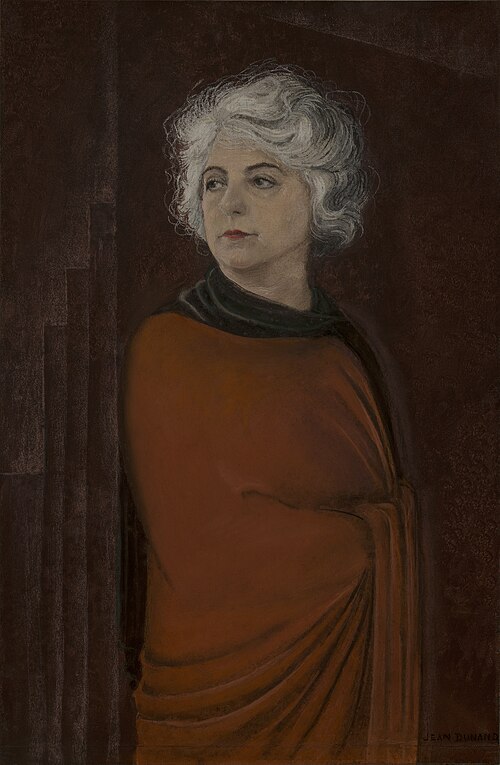
Misia Sert. If Paris had a cultural heartbeat, it often beat inside Misia Sert’s salon. Artists, composers, designers, and writers gathered around her, making her one of the era’s most influential patrons of the arts.
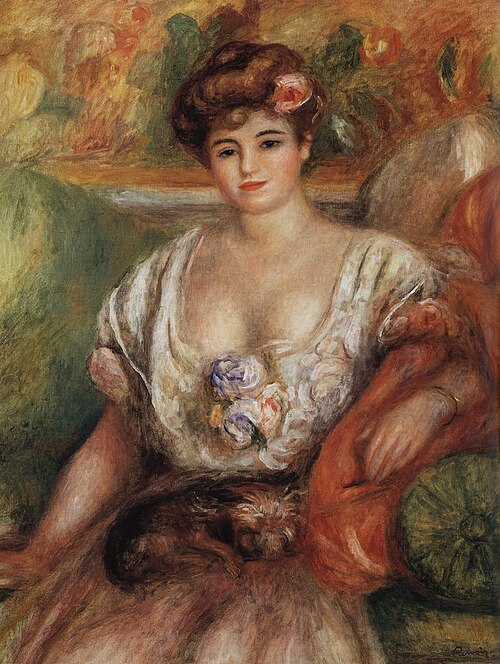
Gertrude Stein. At 27 rue de Fleurus, Stein welcomed Picasso, Matisse, Hemingway, and countless others into conversations that shaped twentieth-century literature and art.
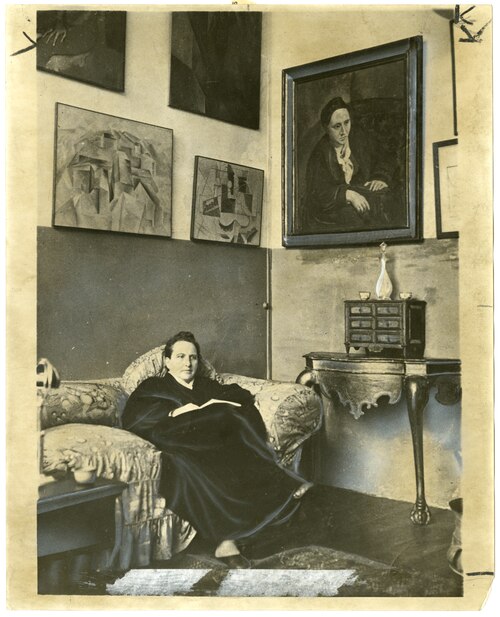
Natalie Clifford Barney. Just across the Left Bank, Barney’s legendary salon became one of Paris’s most important intellectual and literary gathering places, championing women writers and queer voices decades before either found widespread acceptance.
SPORT
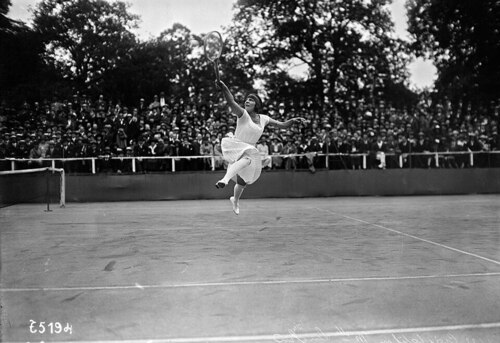
Suzanne Lenglen. Tennis champion, style icon, and one of France’s first global sports celebrities, Lenglen proved the modern woman belonged on the court as confidently as she did in the salon or the atelier.
The Legacy
What united these women wasn’t simply a style — it was a mindset.
This was the generation of the garçonne: women with cropped hair, independent incomes, driver’s licenses, publishing contracts, architecture studios, fashion houses, galleries, tennis trophies, and salons where ideas mattered as much as appearances. They weren’t waiting for permission to participate in culture. They were creating it.
Art Deco was never simply about zigzags, chrome, or lacquered cabinets. It was a declaration that beauty and ambition belonged together. That luxury could be daring. That femininity could be powerful rather than delicate.
Nearly a century later, the mirrored surfaces still sparkle, the geometry still feels modern, and the craftsmanship continues to inspire. But perhaps Art Deco’s greatest legacy isn’t found in a chair, a dress, or a building. It’s the women who proved that creating something extraordinary never required permission.
And that nerve hasn’t stayed in the past — it’s resurfacing. Walk into any of 2026’s most talked-about interiors and the same instincts are at work: lacquer and brass handled with intention, geometry built to seduce rather than simply organize, rooms designed to be felt as much as seen. The design world has taken to calling it neo art deco, as though it needed a new name at all. It doesn’t. It’s the same nerve, picking up exactly where these women left it.
Janet Morais, founder of Love Happens Mag and the design house KOKET, is one of the people carrying it forward — quite literally. Her new collection, The Women of Art Deco, names its pieces directly after many of the women on this list: an armoire, a console, a chair, a cabinet, each one a small, deliberate act of remembering.
“The women of Art Deco Paris didn’t wait for permission to be extraordinary,” Morais says. “They just were.”
Neither, it turns out, does anyone worth paying attention to now.
See the full story behind the collection’s names on KK News. Or explore the collection itself at bykoket.com/women-of-art-deco.
Feature Image: Très Parisien. La Mode, Le Chic, L’Elégance | Photo via Rijksmuseum at Look and Learn
More to Love!
Infuse Your Home with Art Deco Style
5 Ways to Bring Art Deco Design Into the 21st Century