SUBSCRIBE


The Dish Room Behind a Beautiful Boutique Café
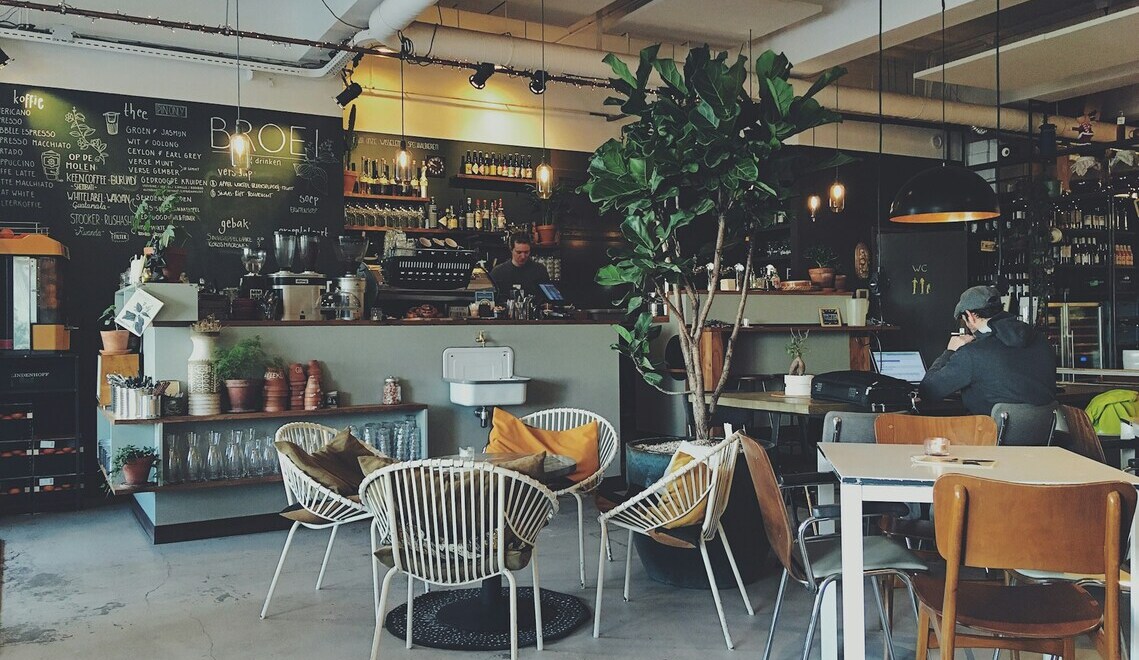
The mood board is the fun part. Fluted marble, a curved banquette, a brass pendant over every table. Most women opening a café or wine bar can describe the dining room down to the coupe glasses. Far fewer have pictured the narrow room behind the kitchen door.
That room decides more than it seems. It sets how fast tables turn, how clean each glass looks and how the health inspector rates the business. Founders opening in Toronto can compare undercounter and door-type dishwashers, glasswashers, dish tables and racks at Toronto Commercial Dishwashers, a specialist in warewashing equipment with distribution across Canada. Here is how to give the back room the same care as the front.
Why Does a Beautiful Room Need a Practical One?
Guests judge a café by what they can see. Inspectors judge it by what they can’t. In Toronto, every eating and drinking establishment gets one, two or three inspections a year, depending on the type of business and the food it serves.
The result goes on the door. Toronto Public Health issues a green Pass notice when an inspector finds only minor infractions or none at all. A Conditional Pass is the notice issued for a significant infraction, and it brings a re-inspection within 24 to 48 hours. That notice sits at the entrance, right beside your carefully chosen signage.
A dining room dressed in black and gold can look flawless and still fail. A cloudy glass or a lukewarm rinse undoes the effect. The fix is to plan the back room before the paint colors, not after.
What Do Inspectors Expect From a Dish Station?
Toronto’s guide to structural requirements for food businesses spells out the basics. They apply whether you serve espresso or a seven-course tasting menu.
- Commercial-grade equipment. A mechanical dishwasher should be commercial grade, not a home model.
- An approved sanitizing method. The machine sanitizes with either chemicals or high heat.
- An external thermometer. Staff must be able to read the temperature without opening the unit.
- Test strips. Reagent strips let staff check the sanitizer concentration.
- A three-compartment sink. This is a station with separate wash, rinse and sanitize basins for hand washing plates, cutlery, mugs and glassware.
- Drain racks near the sink. Washed items should air dry rather than be towel dried.
The city’s food safety pages add a few details worth noting. Sanitizing can mean chemicals made for food areas or hot water at 77°C (171°F). Hand-wash basins are for hands only, never for rinsing dishes. If a dishwasher is shared by several vendors in a food hall and fails, every business using it receives a Conditional Pass.
Which Dishwasher Suits Your Concept?
The right machine depends on what you serve and how much of it. A patisserie and a wine bar face very different loads. Match the machine to your busiest service, not your quiet afternoons.
| Concept | What fills the racks | Equipment to consider |
| Espresso bar or tea salon | Cups, saucers, small plates | Undercounter dishwasher |
| Wine bar | Stemware, small plates | Glasswasher plus an undercounter unit |
| Bistro with full service | Plates, cutlery, glasses | Door-type dishwasher with dish tables |
| Patisserie or bakery café | Sheet pans, mixing bowls, trays | Pot and pan washer or tray washer |
| Large venue or event space | High, steady volume | Conveyor dishwasher |
A good supplier will ask about seat count, menu and opening hours before suggesting a model. Bring a rough floor plan to that conversation. The machine has to fit the room, the plumbing and the electrical service.
Water and energy belong in that conversation too. The Alliance for Water Efficiency publishes a commercial kitchens guide in US and Canadian versions. Its case studies include an ENERGY STAR high-temperature dish machine with heat recovery.

How Can the Back Room Stay Safe for Staff?
A dish room is warm, wet and busy. Steam, hot water and heavy racks all sit in a few square meters. Design choices here protect the people who keep your café running.
The Canadian Centre for Occupational Health and Safety reports that 67% of falls happen on the same level, from slips and trips. Another 30% are falls from a height. Wet or oily floors are a common cause of slips, which makes the dish station a high-risk spot.
- Choose slip-resistant flooring. It should be smooth, non-absorbent and easy to clean.
- Plan the drainage. Water should run to a floor drain, not pool under the machine.
- Set racks at waist height. Less bending means fewer strains over a long shift.
- Give steam somewhere to go. Good ventilation keeps the room cooler and the walls drier.
How Should a Founder Plan the Layout?
The best dish rooms follow a simple line from dirty to clean. Crossing paths is where chips, breakage and contamination happen. Think of it like a well-planned closet, where everything has one place.
- Drop-off first. Bus tubs land on a soiled dish table near the door.
- Scrape and rack. Food waste goes to a lidded bin before items reach the machine.
- Wash and sanitize. The machine sits in the middle of the line.
- Dry and store. Clean racks move away from the dirty side toward storage.
Toronto Public Health also asks food premises to remove waste from preparation areas daily, or more often if needed. Its eight steps for a pass list a surface sanitizer of 2 ml of household bleach per 1 L of water. Build those habits into the layout from day one.
Many of the founder stories Love Happens Mag tells, like Janet Morais and KOKET, begin in a workshop long before a showroom. A café works the same way. The polish guests notice depends on rooms they never see.
Beauty That Holds Up After Closing Time
A boutique café earns its reputation one clean glass at a time. Plan the dish station when you plan the dining room, and buy commercial equipment with a proven sanitizing method. Keep floors dry, racks at a comfortable height and the flow moving from dirty to clean. Then the room guests never see quietly protects the one they came for.
Frequently Asked Questions
Can a Café Use a Residential Dishwasher?
Toronto Public Health says mechanical dishwashing equipment should be commercial grade with an approved sanitizing method. Check with your local health unit before buying anything.
What Is the Difference Between a Glasswasher and a Dishwasher?
A glasswasher is a machine built around stemware and tumblers, which suits a wine or cocktail bar. A dishwasher handles plates, cutlery and mixed loads.
How Often Are Toronto Restaurants Inspected?
Every eating and drinking establishment in Toronto receives one to three inspections a year. The number depends on the type of business and the food it serves.
Where Should a Dish Station Sit In a Small Café?
Place it close to the dining room door so bus tubs travel a short distance. Keep a clear line from the dirty side to clean storage.
Feature Image by daan evers
More to Love!
Single-Origin vs. Blended Coffee: Key Differences Explained
The Best Bakeries & Cafes in Paris